1989 Upper Deck Griffey: Grade-Driven Liquidity
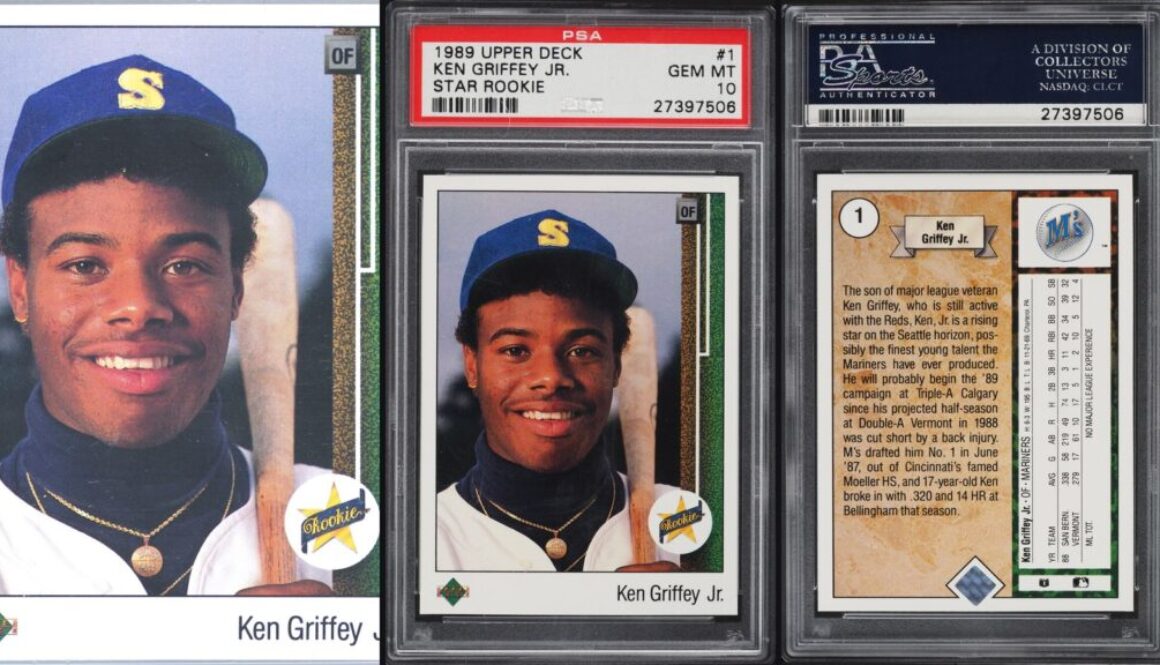
The 1989 Upper Deck Ken Griffey Jr. Star Rookie is not scarce. It is famous—and fame without scarcity is exactly where collectors misread liquidity. In September 2026, Collector Nation reported that this card became the first trading card in any sport (or TCG) to pass 200,000 graded copies across population reports. PSA’s own CardFacts ladder still shows tens of thousands of mid-grade slabs and only a few thousand Gem Mint 10s. The lesson is blunt: on this card, the market pays for the grade, not the name on the checklist.
This Iconic Cards piece is a sports-side liquidity lesson—the same kind of structure we used for Base Set Charizard and original MTG dual lands, applied to a modern baseball landmark. For more frameworks like this, browse Collector Guides and Market News.
Why this card became the modern-era reference
Upper Deck launched its first baseball set in 1989 with premium stock, full-bleed photography, and a hologram security feature that stood out against the high-volume cardboard of the late 1980s. Card #1 was Ken Griffey Jr., the lead card of the Star Rookies subset. Beckett’s oral history with checklist architect Tom Geideman and Baseball America’s reporting both place Griffey ahead of better-hyped prospects such as Gregg Jefferies, Gary Sheffield, and Sandy Alomar Jr. for that #1 slot—a judgment that aged well after Griffey made Seattle’s Opening Day roster (Beckett; Baseball America).
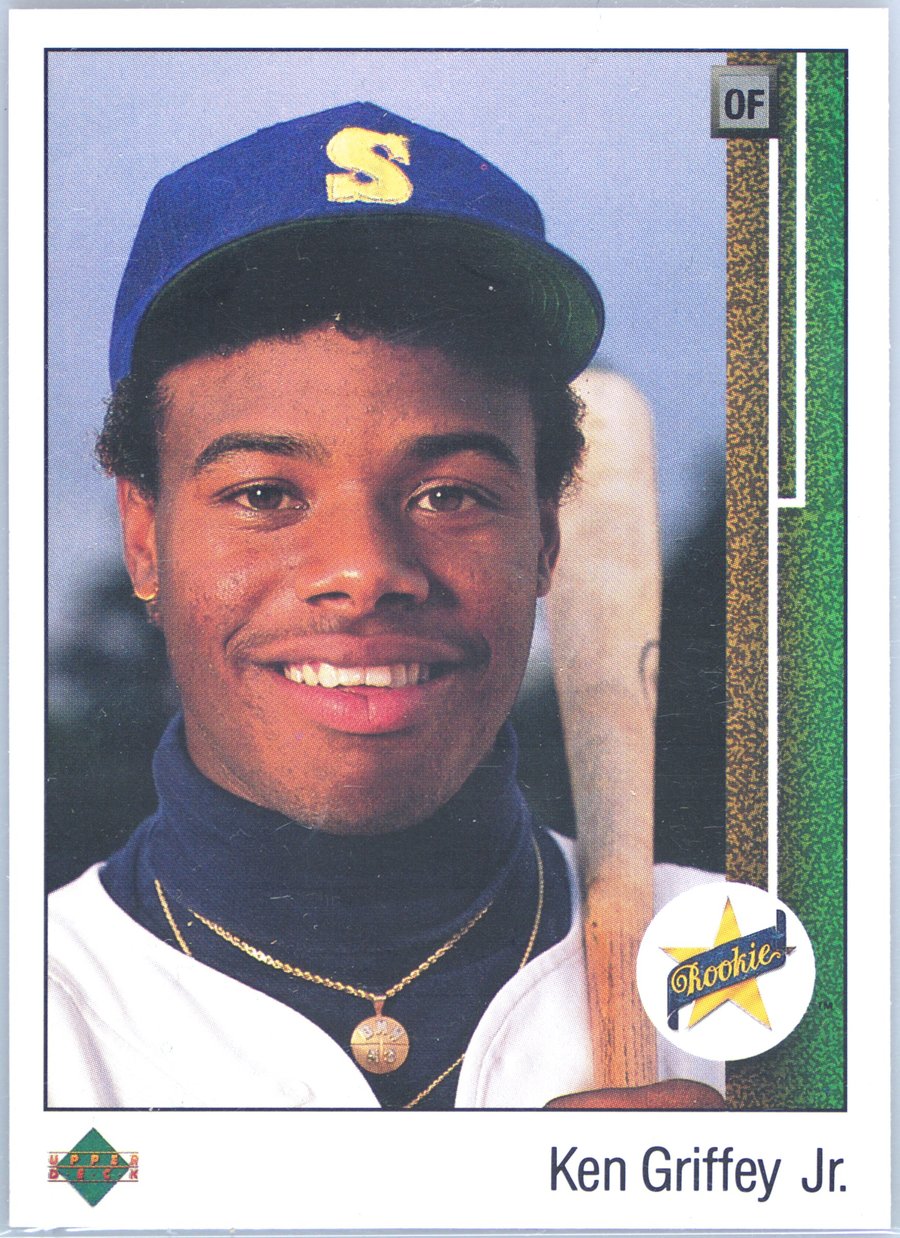
Recognition is where liquidity starts. It is not liquidity by itself. More buyers will open a Griffey listing than almost any other late-1980s baseball card. That does not mean every raw copy, every PSA 8, and every PSA 10 clear the same way—or that a headline sale describes the copy in your hand.
Overproduction-era supply, grade-driven price
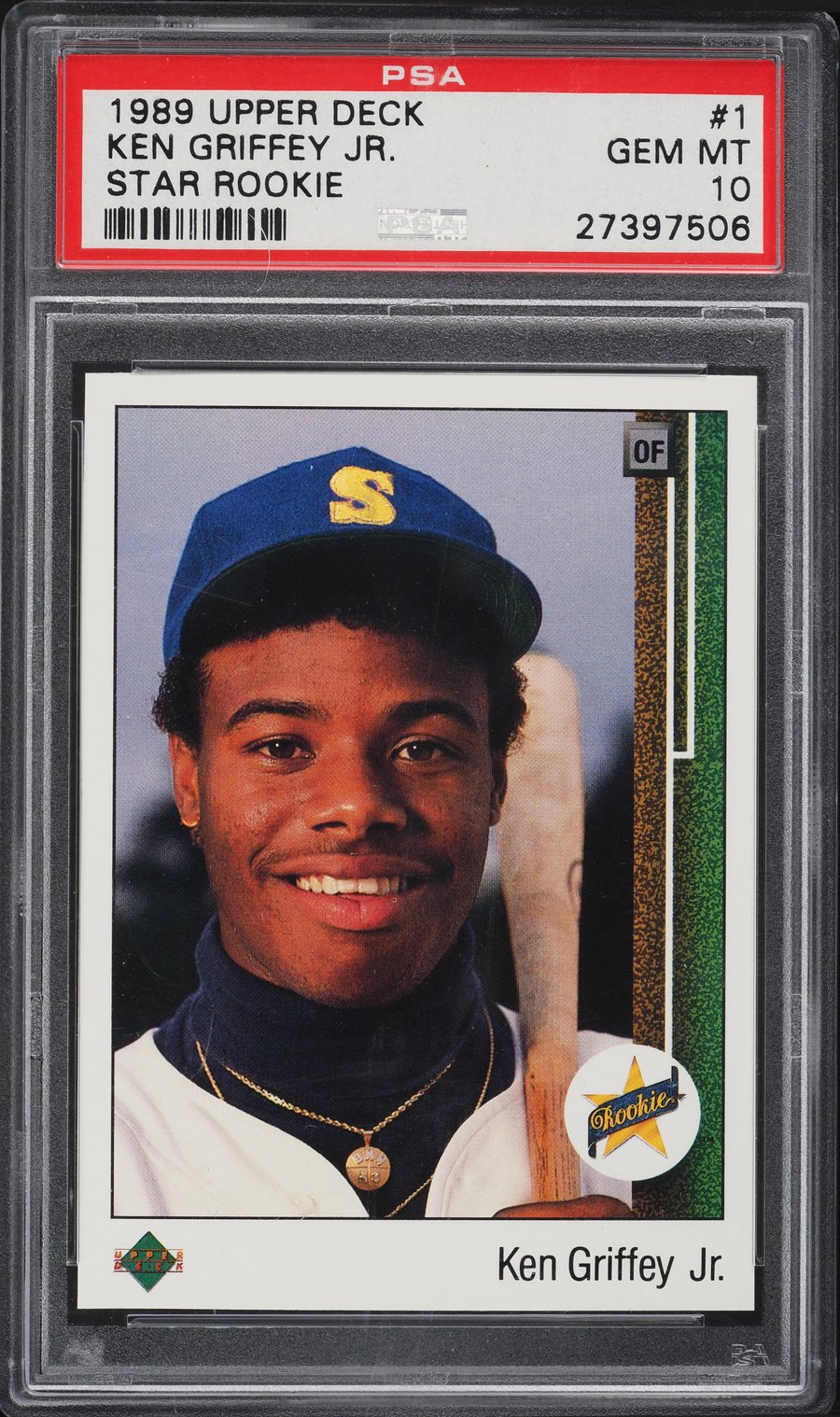
Nobody has published a credible official print run for 1989 Upper Deck Series 1, and hobby estimates vary enough that treating any single number as fact is a mistake. What is measurable is graded supply. On PSA’s CardFacts page for this card (pulled October 13, 2026), the population table listed about 4,254 copies at GEM-MT 10, about 33,948 at MINT 9, and about 47,600 at NM-MT 8. Those counts change as cards are submitted, so check the live page before you rely on them.
Cardboard Police, citing Collector Nation’s September 16, 2026 milestone coverage, framed the cross-company total as the first to pass 200,000 graded copies—with PSA alone holding on the order of two-thirds of that stack on the day they pulled CardFacts (Cardboard Police). A card can be both the most-graded object in the hobby and still thin at the absolute top of one grader’s scale. That is the overproduction-era liquidity pattern in one sentence.
Two practical lessons follow:
- Price the tier, not the icon. Mid-grade populations are deep. That depth usually means more completed sales to compare and less guesswork—real liquidity. The gem tier is a different market with fewer comps and more variance between sales.
- Population is graded supply, not a print run. Raw copies still sit in binders. Cards move between graders. Qualifiers and half-grades sit in separate buckets on PSA’s reports. Treat pop as a map of what has been slabbed, not as “how many exist.”
The factory wrinkle: a condition trap with liquidity consequences
PSA’s CardFacts write-up flags a known production issue: many Griffey rookies show a factory wrinkle on the reverse that can cap an otherwise sharp card—often no higher than PSA EX-MT 6 when the wrinkle is present (PSA CardFacts). That is not lore for its own sake. It is a reason raw “looks mint” photos can fail after grading, and a reason buyers who skip the back of the card take on identification risk.
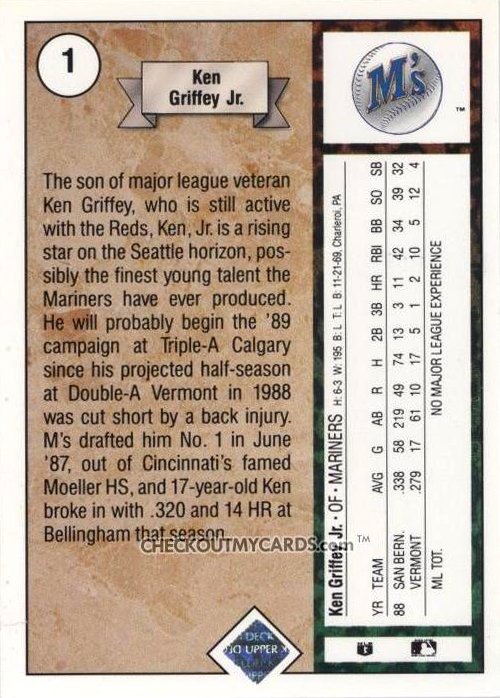
Photo lore vs. market structure
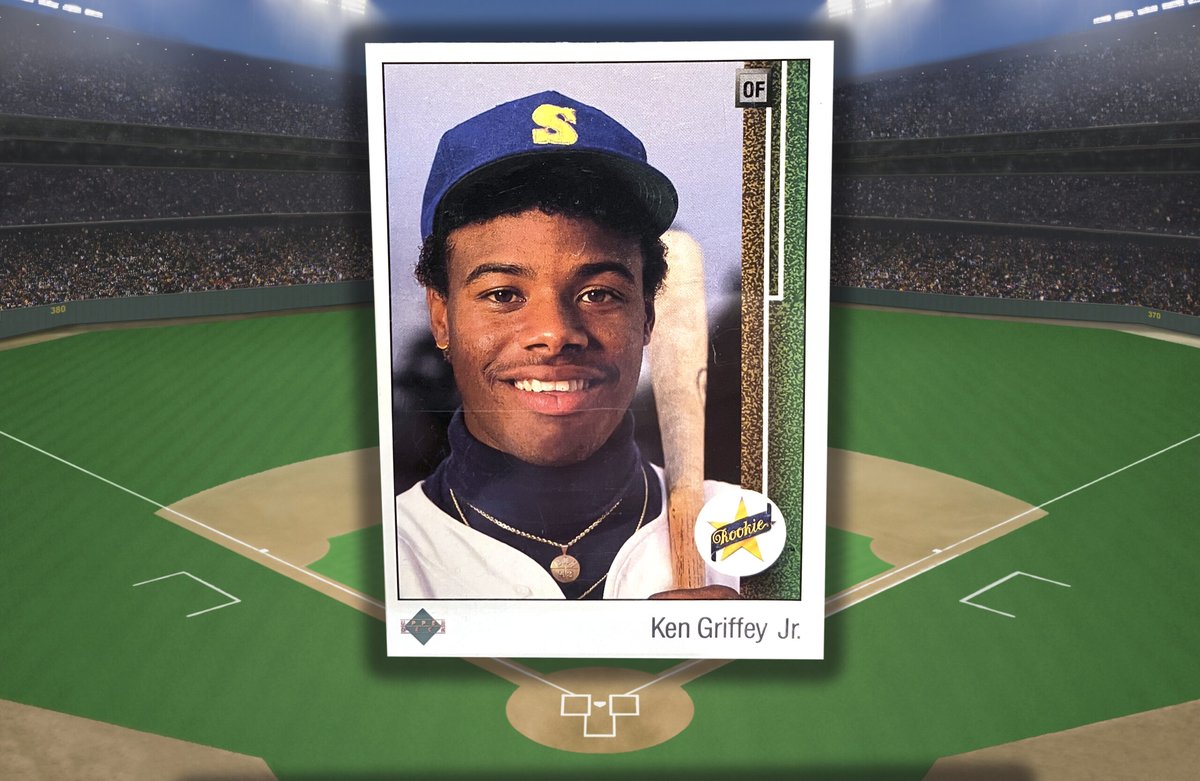
Hobby history around the photo—Griffey in a San Bernardino Spirit uniform with Mariners branding edited in—is well documented by Beckett and Baseball America. It explains why the card looks the way it does. It does not set today’s price. Buyers pay for condition, centering, surface, and the grade label when the card is slabbed. Treat the photo story as context; treat the population ladder as the liquidity map.
Raw vs graded: where this card actually trades
A raw Griffey and a slabbed Griffey attract different buyers. Graded copies trade on a label other buyers already understand, which helps remote sales and comparison shopping. Raw copies trade on photos and trust—fine for local deals and for buyers who plan to submit themselves, riskier when the reverse wrinkle or centering is hard to judge from a listing. The more money involved, the more buyers prefer the certainty of a slab. If you are comparing grader brands or deciding whether to submit at all, our note on card grading consolidation covers how market structure around grading companies affects exits.
1989 Upper Deck Griffey checklist before you buy or sell
- Confirm the card. 1989 Upper Deck Baseball #1, Star Rookie designation, hologram-era stock—not a later tribute or reprint product.
- Inspect the reverse. Look for the factory wrinkle PSA warns about before you model a high grade.
- Price the grade, not the name. Compare completed sales of the same grader and grade. Asking prices and other tiers are not comps.
- Read the live population page. Use PSA CardFacts (or your grader’s equivalent) and note how many copies sit at your grade and above.
- Expect mid grades to clear more evenly than gems. Deep populations usually mean more comparable sales; thin top tiers clear unevenly.
- Model the exit. Fees, shipping, insurance, and the venue all reduce what you take home. Know which platform fits a raw copy and which fits a slab before you buy. For current sports product timing, see our October 14 sports card drops update.
Bottom line
The 1989 Upper Deck Griffey Jr. earns its Iconic Cards spot because it teaches the sports-card version of a hard rule: celebrity supply and graded scarcity are different problems. The card can lead the hobby in graded copies and still run a steep price ladder by grade. Pull the live PSA page, inspect the reverse, and price the tier you actually hold.
Sources: PSA CardFacts, Cardboard Police / Collector Nation milestone coverage, Beckett, Baseball America, Upper Deck. Featured collage panels: PSA Auction Prices Realized card scan and Fanatics Collect PSA 10 slab photos. Card © Upper Deck.