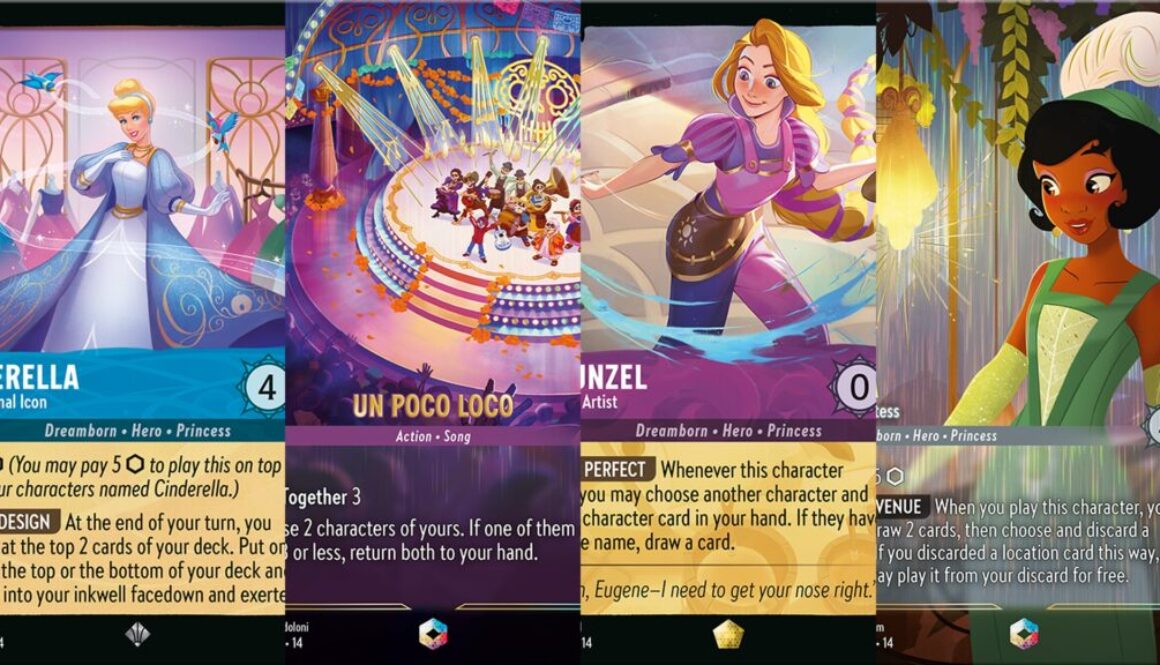
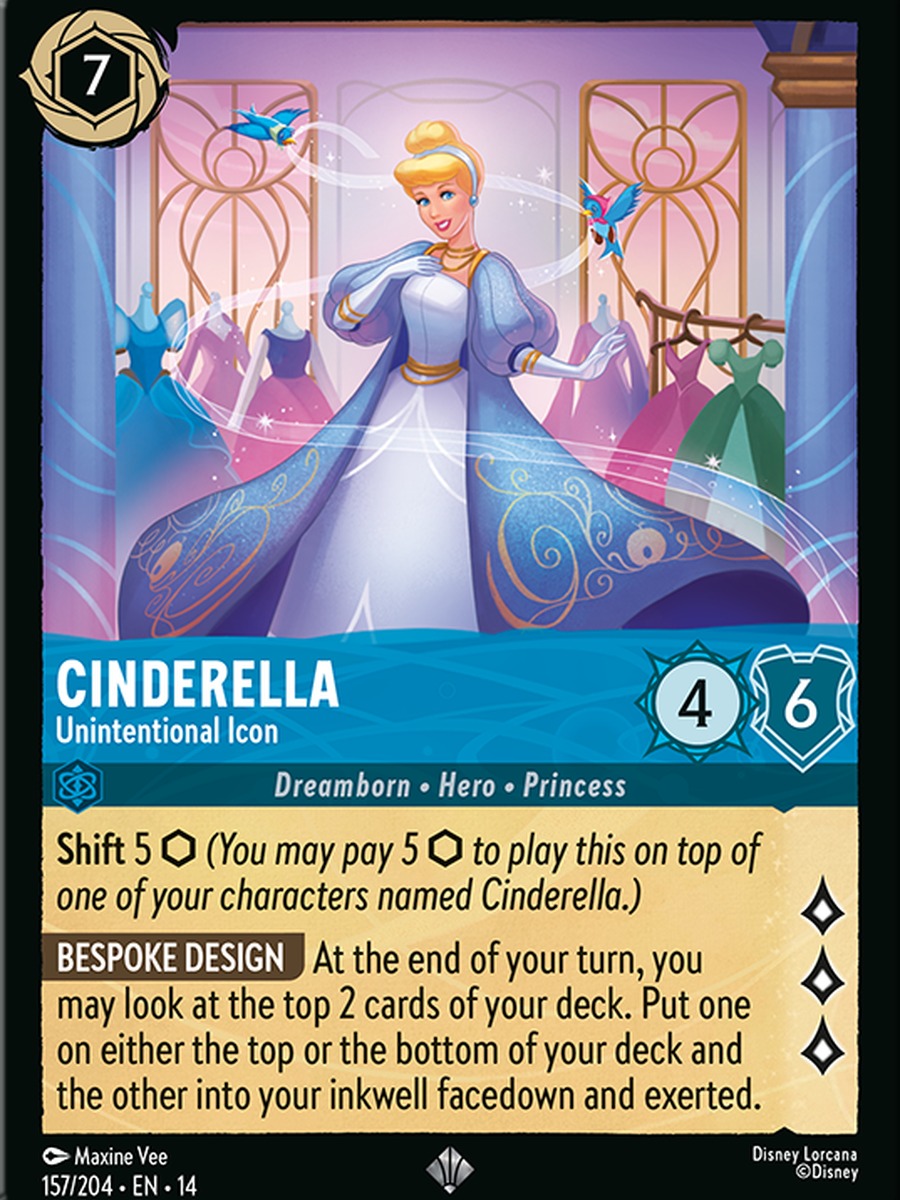
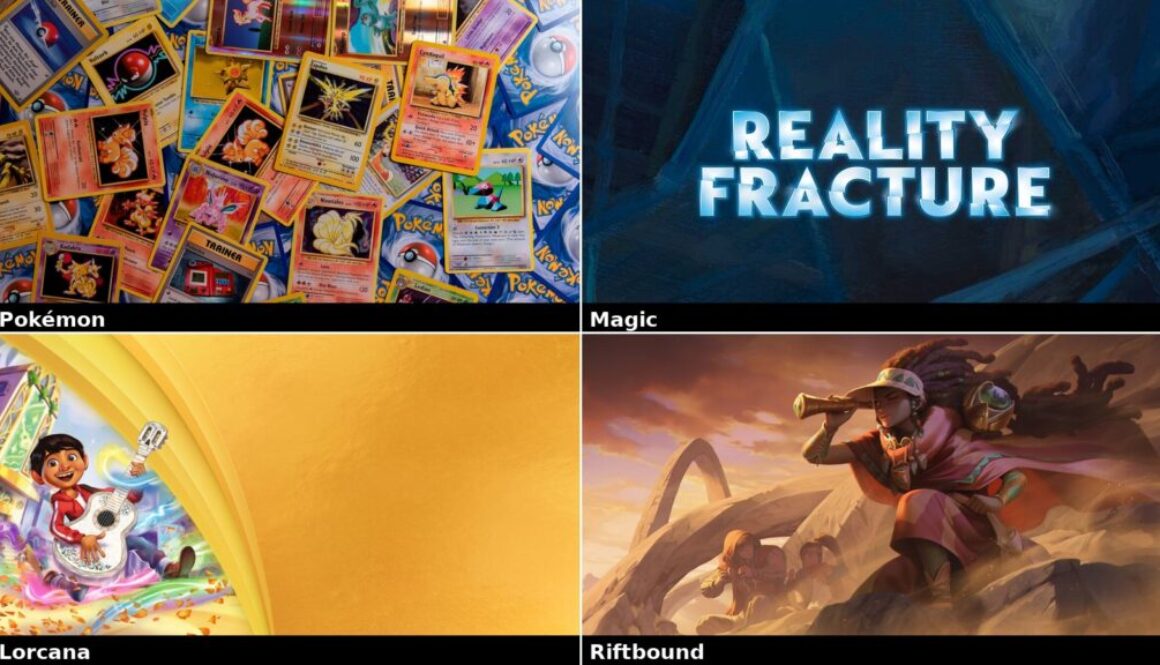
Hyperia City Enchanted is the next Disney Lorcana chase to watch: prerelease hits game stores and select Disney Parks/stores on October 16, 2026, with everywhere availability October 23. Ravensburger is bringing Enchanted cards back in an after-dark nightlife art style, naming two Iconics—Mickey Mouse – Best in Town and Cinderella – Unintentional Icon—plus the debut of Coco glimmers and the new ink drops mechanic. The liquidity lesson is not a price call; it is how early Enchanted scarcity still frames how collectors treat chase rarity when a set ships.
Per the official Hyperia City press release (September 22, 2026), the set drops Illumineers into a metro-meets-fantastical city with musical street life, Disney Princess and Mickey glimmers, and—new for Lorcana—glimmers from Disney and Pixar’s Coco. The same release introduces ink drops: one-time-use ink counters players can spend to play cards or empower effects.
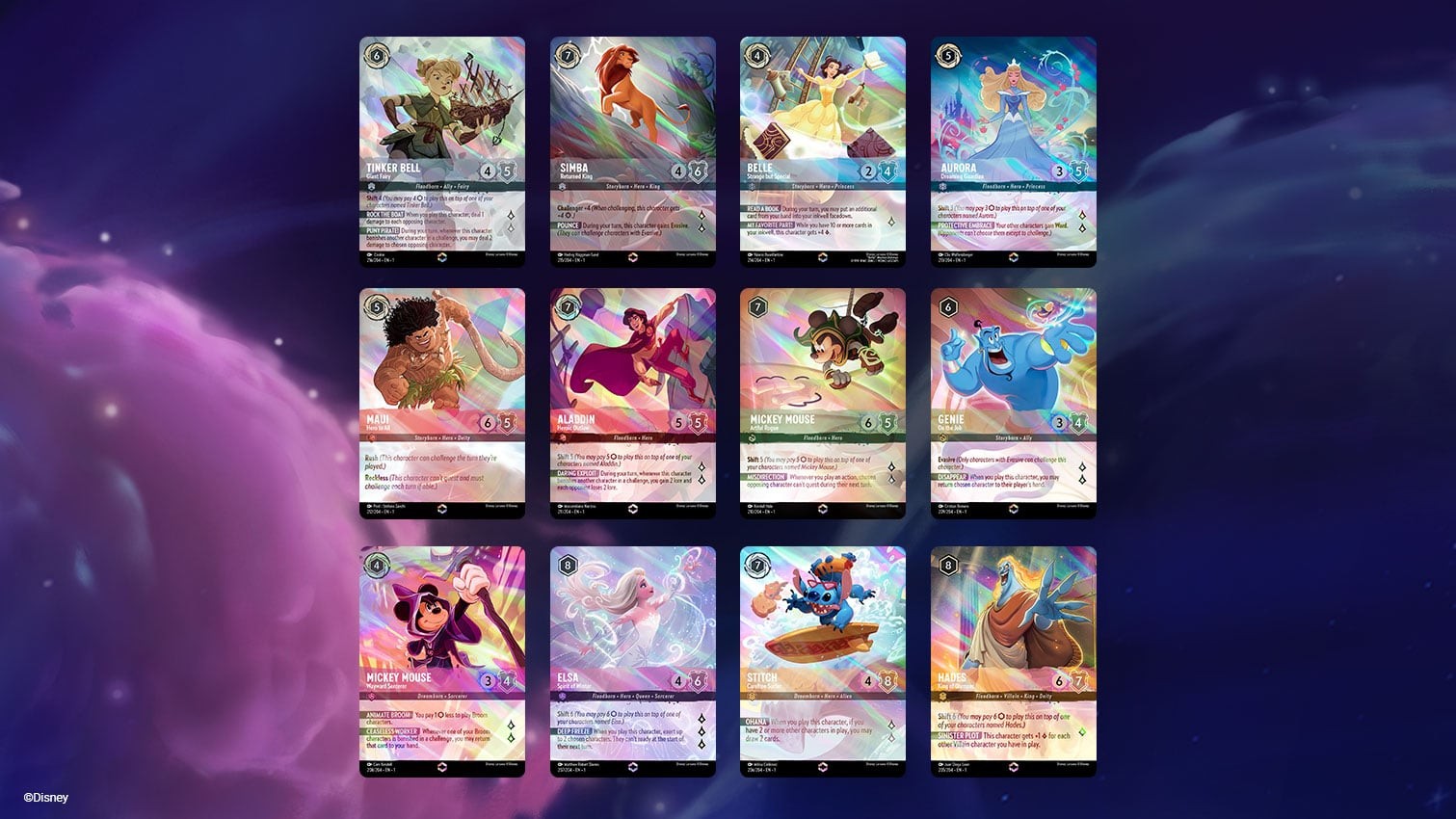
On the collector side, Ravensburger highlights Enchanted cards as the showcase for handcrafted art, each framed as night-out city moments. The two Iconic cards—“the rarest in the game”—adopt that same nightlife look: Mickey Mouse – Best in Town (shown earlier at D23) and Cinderella – Unintentional Icon. The Hyperia City product page confirms prerelease October 16 and everywhere October 23, with Prerelease Boxes, Illumineer’s Troves, and booster products in the lineup.
Ravensburger’s Creative Spotlight (October 1, 2026) is blunt about the hierarchy: Iconic and Enchanted are two of the rarest card types in Disney Lorcana, each with set-specific styles. For Hyperia City, much of the standard art sits in daytime city scenes while Enchanted (and Iconic) shots push after-dark lighting—useful when you are sorting what is “chase art” versus playable stock as packs open.
Historic lesson: early Enchanted as a scarcity template
When Enchanted first appeared in The First Chapter, Ravensburger did not position it as a gameplay upgrade. Official copy from Enchanted Cards Revealed still matters for how chase liquidity works:
Enchanted was introduced as an extremely rare sixth rarity with alternate full art and Inkwash foiling.
Those cards carried a new rarity symbol and collector numbers above 204 (the standard set count).
Gameplay and subjects matched the standard versions—so the premium was collectibility and treatment, not a rules edge.
Every booster pack could contain one, which kept the chase tied to sealed product rather than a separate lottery SKU.
Later, when Epic and Iconic arrived, Ravensburger again published the stack in plain language: Epic sits rarer than Legendary but not as rare as Enchanted; Iconics (two per set) sit far less common than Enchanteds, with full-card art, lore-star foil, and 3D hot stamping (Stunning New Rarities). That official ladder is the useful historic parallel for Hyperia City: Enchanted remains a high-visibility chase band, and Iconics sit above it as the set’s rarest named tier—without needing invented print runs or sale comps to understand how collectors will sort demand.
How to use the lesson before prerelease
For Hyperia City week, treat the early Enchanted template as behavior guidance, not a valuation sheet:
Separate play from chase. Official Enchanted copy stressed identical gameplay to standards. Budget sealed opens and single buys around whether you want ink-drop decks or nightlife art.
Name the tiers before you chase. Enchanted returns with a distinct night style; Iconics are explicitly the rarest cards in the game for this set. Know which lane you are hunting.
Watch franchise heat without inventing floors.Coco debuts and named Iconics (Mickey, Cinderella) will pull attention—that is collector behavior, not a promised secondary-market outcome.
Use manufacturer pages as the source of truth. Dates, mechanic text, and rarity framing live on disneylorcana.com; ignore unsourced pull-rate rumors.
MTG God Packs are coming back. On October 5, 2026, Wizards of the Coast announced a booster overhaul that starts with Nauctis: The Sunken Realm, the first Magic set of 2027, due February 5, 2027. Roughly 1 in every 1,000 Booster Packs and 1 in every 300 Collector Boosters will be a God Pack stuffed with rares and mythics. The same announcement removes foil commons and uncommons from Booster Packs and takes three cards out of every Collector Booster. The God Pack gets the headlines. The rest of the changes are what will actually show up in most of the packs you open.
This is a structure story, not a price call. Below: what changes, what the odds mean for a real buyer, and how to adjust before Nauctis preorders open. No comps, no print runs, nothing Wizards hasn’t published. For more pieces like this, see Market News, the Collector Guides hub, and our Magic: The Gathering coverage.
Play Boosters are renamed Booster Packs. WPN calls this “a name change, not a new product.” They are still the packs used for Prerelease, Draft, and Sealed.
God Packs show up in every Magic Multiverse set starting with Nauctis. Universes Beyond sets are expected to get them in 2028.
Booster Packs drop foil commons and uncommons, and a foil is no longer guaranteed in every pack. Any foil you do open in a Booster Pack will be a rare or mythic rare.
Foil rare and mythic rates go up in Booster Packs, and traditional-foil Japan Showcase cards can now appear in the Booster Pack wildcard slot. Until now they were Collector Booster–only.
Collector Boosters lose two foil commons and one foil uncommon. Those three cards are not replaced.
No MSRP change. Wizards wrote that “none of these changes come with any adjustments to prices.”
Wizards explains the trade directly. Pulling the low-interest foils frees up printing capacity for God Packs and for Japan Showcase cards in Booster Packs. Magic communications director Blake Rasmussen gave Polygon a similar explanation: removing those cards “reduces our overall printing complexity to a noticeable degree.”
What’s inside MTG God Packs
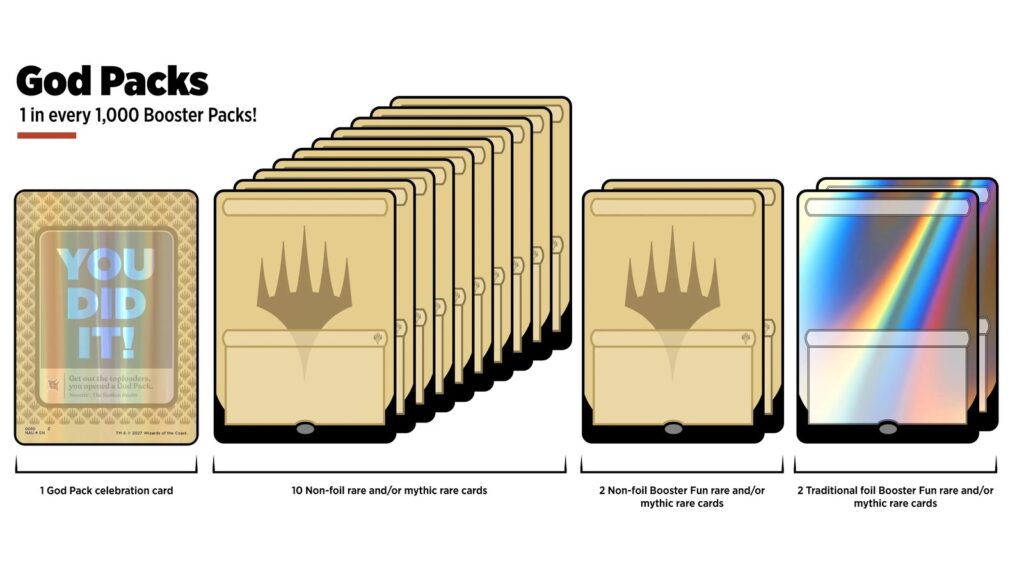
From the outside, a God Pack looks like any other pack. WPN says it is “not a separate product to order.” It is mixed in at random with the Booster Packs and Collector Boosters a store already stocks. In a Booster Pack, about 1 in 1,000 will contain:
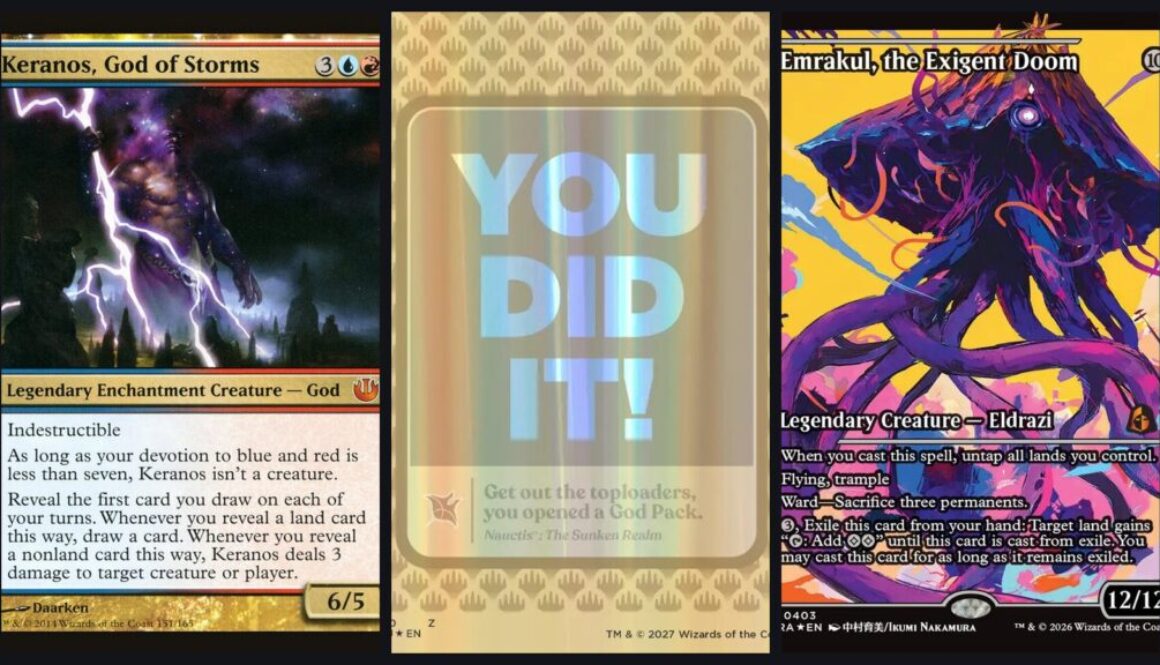
1 “You did it!” God Pack celebration card
10 non-foil rare and/or mythic rare cards
2 non-foil Booster Fun rare and/or mythic rare cards
2 traditional foil Booster Fun rare and/or mythic rare cards
That makes 14 rares or mythics and a keepsake card, with no commons or uncommons. Polygon reports Rasmussen’s description of the celebration card as both a reference card and something to display. On the sample shown by Wizards, it reads “Get out the toploaders, you opened a God Pack.”
Booster Pack God Pack layout: one celebration card plus 14 rares and mythics, about 1 in 1,000 packs. Image source: Wizards of the Coast
Collector Booster God Packs, and the three missing cards
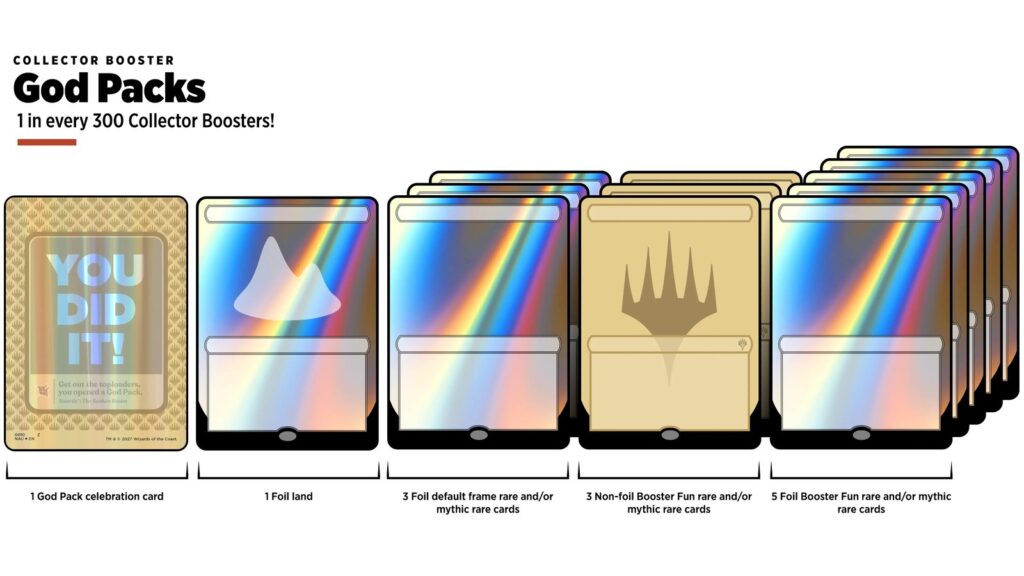
Collector Boosters get better God Pack odds, about 1 in 300, and a more premium layout: a celebration card, one foil land, three foil default-frame rares or mythics, three non-foil Booster Fun rares or mythics, and five foil Booster Fun rares or mythics. Wizards says that last group, the “foil fancy slot” five times over, could in theory hold more than one headliner card, but calls that “pretty improbable.”
The bigger change for anyone who buys Collector Boosters regularly is the other one. Starting with Nauctis, every regular Collector Booster has three fewer cards: two foil commons and one foil uncommon, not replaced. GameSpot reports that this takes the pack from 15 cards to 12. Wizards is open about it: “How does removing cards make opening Collector Boosters more exciting? We’ll be honest here—it doesn’t.” The stated reason is that most openers skip those cards anyway.
For collectors, the useful takeaway is this: same MSRP, fewer cards, and value even more concentrated at the top of the pack. If you already think about Collector Boosters as a few slots that matter plus filler, that’s now closer to literally true. If you liked those foil commons for a cube, a Pauper deck, or a foil set, there are fewer of them per pack, and from Nauctis on, Collector Boosters are the only booster that still has them.
Collector Booster God Pack layout, about 1 in 300 packs. Regular Collector Boosters lose three foil commons and uncommons. Image source: Wizards of the Coast
God Packs aren’t new: the Journey into Nyx precedent
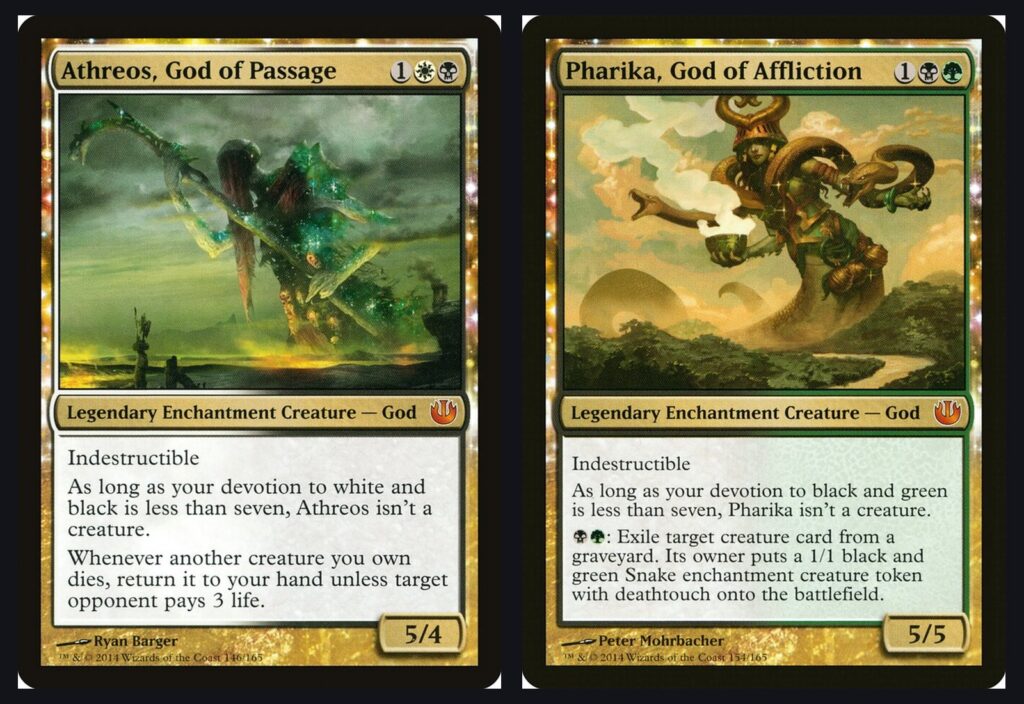
Magic has done this before. As Polygon recounts, Journey into Nyx boosters in 2014 had a very slim chance of being a pack made entirely of Theros-block gods. Back then it was a one-time surprise. In 2027 it becomes a standing feature of every Magic Multiverse set, with published contents and published odds. Rasmussen told Polygon that bringing God Packs back as a regular feature “has long been at the top of our list of wants.”
That difference matters for collectors. A one-off God Pack was a story. A recurring God Pack with known odds is a probability you can reason about. In practice, it’s a lottery ticket attached to every pack, and lottery tickets are easy to overpay for.
Journey into Nyx (2014) gods Athreos, God of Passage and Pharika, God of Affliction. That set’s god-only packs are the precedent for the 2027 God Packs. Image source: Scryfall
Japan Showcase cards and better foil odds in Booster Packs
The change that affects the most packs is the least flashy one. With foil commons and uncommons gone from Booster Packs, the foils that remain are all rares and mythics. Rasmussen told Polygon that the chance of a foil rare or mythic in a Booster Pack rises from roughly 7% to 10%. Traditional-foil Japan Showcase cards, which recent sets limited to Collector Boosters (Reality Fracture’s run includes cards like Emrakul, the Exigent Doom), will appear in the Booster Pack wildcard slot at about 1%, per the same report.
Two things follow from that. First, a treatment that used to come only from Collector Boosters will now also come from the cheaper pack. Over time, that can change how scarce a Japan Showcase card in traditional foil really is, compared with the specialty-foil versions that remain Collector Booster chases. Second, if you used foil commons as cheap upgrades, Booster Packs will no longer supply them at all. We covered how treatment rarity differs from real scarcity in our Reality Fracture chase breakdown. The same lesson applies here: a published drop rate tells you how often a card appears, not how much buyer demand there will be for it.
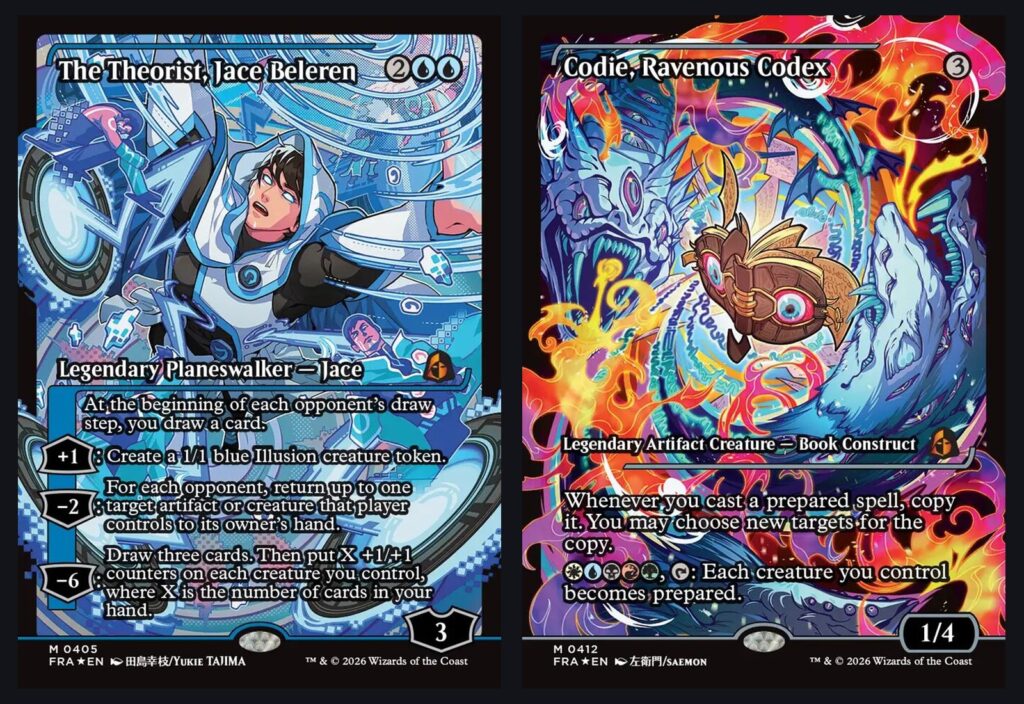
Reality Fracture Japan Showcase cards: The Theorist, Jace Beleren and Codie, Ravenous Codex. Starting in 2027, traditional-foil versions of this treatment can come from Booster Packs. Image source: Scryfall
What 1 in 1,000 actually means
Published odds are averages, not a schedule. Polygon reports that God Packs are inserted completely at random, with no guarantee that one appears in any particular display, case, pallet, or region. If you treat each pack as an independent shot at the stated rates, the math works out like this:
Booster Packs (1 in 1,000): about a 9.5% chance of at least one God Pack in 100 packs, 39% in 500 packs, and 63% in 1,000 packs.
Collector Boosters (1 in 300): about a 3.9% chance in 12 packs, 28% in 100 packs, and 63% in 300 packs.
Even opening the full “1 in” count leaves roughly a one-in-three chance of getting none. For a collector buying a box or two, a God Pack is a bonus you might get, not something to plan a purchase around. Pricing sealed product as if a God Pack were likely is how a fun feature turns into an expensive mistake.
A collector playbook for the 2027 booster changes
Don’t pay a God Pack premium. Wizards held MSRP flat, but what you pay at the counter is set by the market. If a listing or a break sells “God Pack odds” as the reason for a higher price, run the numbers above first. At these rates, the God Pack chance shouldn’t add much to what a single pack is worth to you.
Re-check Collector Booster math, not just the headline. Three fewer cards per pack at the same MSRP means more of your expected value sits in the top slots. Before Nauctis preorders, compare the cost of a Collector Booster with simply buying the singles you want. Our sealed vs singles guide covers that comparison step by step.
Buy loose packs from sellers you trust. A rare pack worth searching for gives people a reason to search. Sealed displays from authorized retailers are still the safest way to get untouched odds. Be careful with loose packs from unknown sellers, the same as you would with any high-variance product.
Know the event rule. If you open a God Pack at Prerelease or Draft, stop and call a judge. WPN strongly recommends that stores let you keep the God Pack and replace it with a fresh Booster Pack at no charge. At competitive events where Wizards supplies the product, such as Regional Championships and the Pro Tour, removing and replacing it is required. Casual events can choose to leave it in the pool.
Track Universes Beyond separately. God Packs come to Multiverse sets in 2027 and are expected for Universes Beyond in 2028. Rasmussen told Polygon the delay comes from the longer production timelines for partner sets. Don’t assume a crossover set in 2027 has God Packs unless Wizards says it does.
Value cards for demand, not for how they were pulled. A rare from a God Pack is the same card as that rare from a normal pack. The celebration card is new, and it’s too early to say how collectors will value it, so don’t assume it holds a premium. Lasting demand comes from cards people want to play and keep, a point our MTG dual lands liquidity lesson makes with three decades of history.
Bottom line
MTG God Packs arrive with Nauctis: The Sunken Realm on February 5, 2027. They appear in about 1 in 1,000 Booster Packs and 1 in 300 Collector Boosters, inserted at random, and Universes Beyond sets are expected to follow in 2028. To make room, Booster Packs lose foil commons and uncommons and gain better foil rare odds and Japan Showcase chances, while Collector Boosters drop three cards at the same MSRP. Treat the God Pack as a fun bonus, recheck your Collector Booster math, and judge every card by the demand behind it, not by the pack it came from. Check the Wizards announcement for updates as Nauctis previews begin.
Base Set Charizard is the most recognized card in the Pokémon Trading Card Game. It is also one of the easiest to misprice, because “Base Set Charizard” is not one market. It is a stack of separate markets: four English print runs, a population ladder that runs from PSA 1 to PSA 10, and more than two decades of official reprints with the same Mitsuhiro Arita artwork. If you know which of those markets you are in, you can price a copy honestly. If you don’t, the card’s fame mostly helps the person on the other side of the deal.
This Iconic Cards piece goes deeper on one of the three anchors from our iconic trading cards as liquidity anchors overview. The focus is structure, not hype: what each print is, where graded supply is thin, and why reprints change demand without adding a single vintage copy. For more frameworks like this, browse the Collector Guides hub and our Pokémon coverage.
Why Base Set Charizard became the reference card
Wizards of the Coast released the English Base Set on January 9, 1999, more than two years after the Japanese Expansion Pack came out in October 1996 (Bulbapedia: Base Set). Charizard was card 4 of 102: a holo rare with 120 HP, the Energy Burn Pokémon Power, and a 100-damage Fire Spin attack at a time when few attacks came close to that number. Combine the game’s most popular Fire-type, a holo slot, and a playground reputation, and you get a card nearly every collector can picture without looking it up.
Recognition is where liquidity starts, but it isn’t liquidity on its own. Fame means more buyers will look at a listing. It does not mean every listing deserves the same price, or that the next copy will sell as fast as the last headline sale. The rest of this guide is about the details that set the actual price.
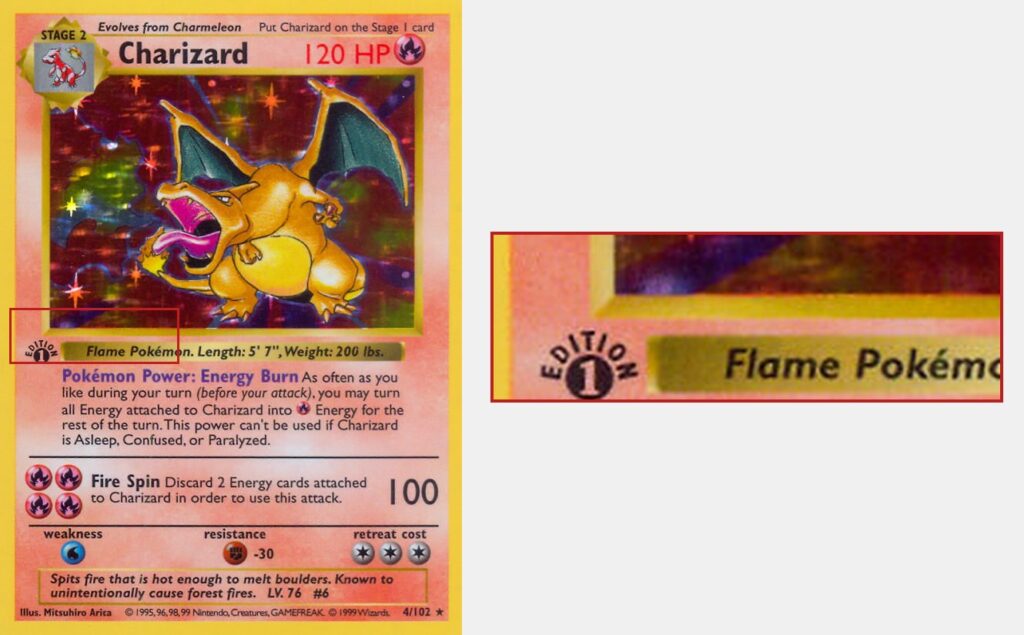
1st Edition: the first run. It has the black “Edition 1” stamp at the lower left of the art box, thinner HP and attack text, and no drop shadow around the illustration window.
Shadowless: the second run. It matches the 1st Edition layout, with thin text and no shadow, but has no stamp. Its copyright line includes “99.”
Unlimited: the third run. It adds a drop shadow along the art box and bolder HP and attack text, and the copyright line drops the “99.”
Unlimited (1999–2000 copyright): a fourth run, the same as Unlimited apart from the updated copyright line.
The liquidity lesson: buyers price the print first and the name second. A listing titled “Base Set Charizard holo” with no clear photo of the stamp area, the art-box edge, and the copyright line is asking you to take on identification risk. Serious buyers discount that risk or walk away, so a seller with a vague listing gets fewer bids, even on a card everyone knows.
1st Edition Base Set Charizard: the “Edition 1” stamp sits at the lower left of the art box, which has no drop shadow. Image source: Pokémon TCG API card scan.
Grade-tier liquidity: the population ladder thins at the top
Population reports are where Base Set Charizard’s “rarity” gets specific. At the time of writing, PSA’s CardFacts page for the 1st Edition Charizard lists a population of 123 at GEM-MT 10, 729 at MINT 9, and 715 at NM-MT 8. The Shadowless Charizard page lists 58 at GEM-MT 10, 851 at MINT 9, and 1,507 at NM-MT 8. These counts change as more cards are submitted, so check the live pages before you rely on them.
Two lessons come out of those numbers:
Scarcity depends on the tier, not just the print. Shadowless shows fewer PSA 10s than 1st Edition on PSA’s own pages, yet more 9s and 8s. Saying “1st Edition is rarer” is accurate about the stamp. It doesn’t tell you which slab has fewer buyers or sellers at a given grade.
The top tier is thin, and thin markets clear unevenly. When only a few dozen or a few hundred copies exist at a grade, a single sale tells you little about the next one. Mid grades have deeper populations, which usually means more comparable sales and less guesswork. That depth is real liquidity.
Population counts measure what has been graded. They are not print-run totals. Raw copies still sitting in binders, crossovers between grading companies, and resubmissions of the same card all make the counts imperfect. If you’re deciding whether grading is worth it at all, our breakdown of card grading consolidation covers how grader choice and market structure affect what a slab is worth when you sell.
Reprints feed nostalgia, not vintage supply
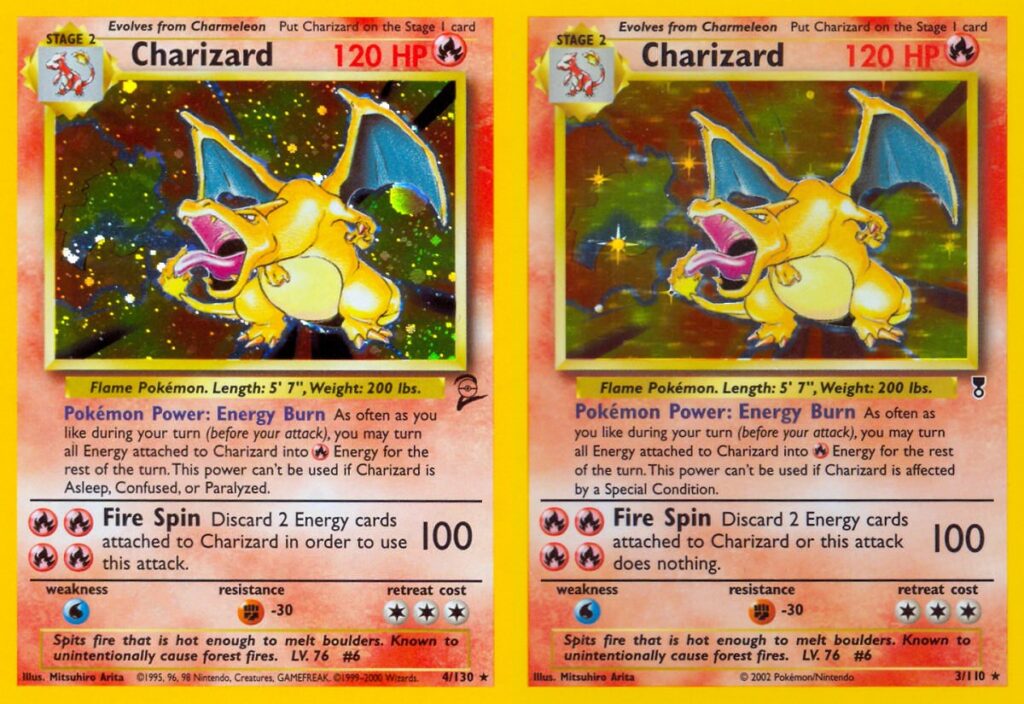
Charizard’s Base Set art has been reprinted several times. According to Bulbapedia’s Charizard (Base Set 4) entry, the original print returned in Base Set 2 (February 24, 2000) and again in Legendary Collection (May 24, 2002). Neither of those English sets had a 1st Edition run. Both carry their own set symbols, card numbers, and copyright lines, so a careful buyer can tell them apart from the 1999 Base Set prints.
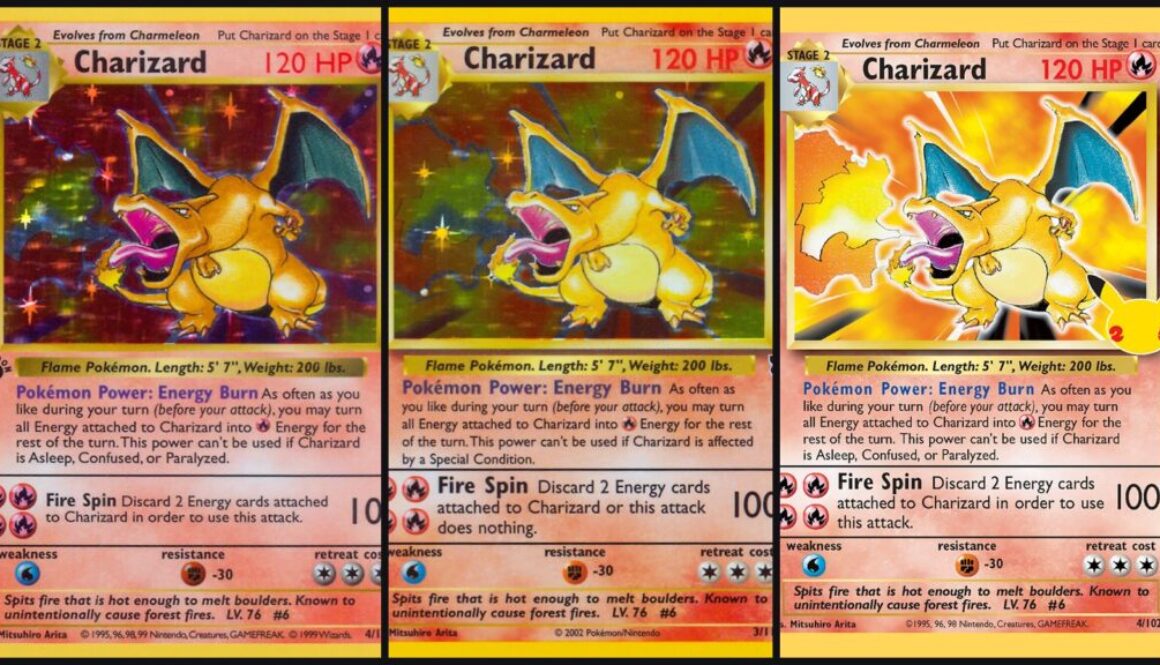
Same art, different products: Base Set 2 (2000, left) and Legendary Collection (2002, right). Image source: Pokémon TCG API card scans.
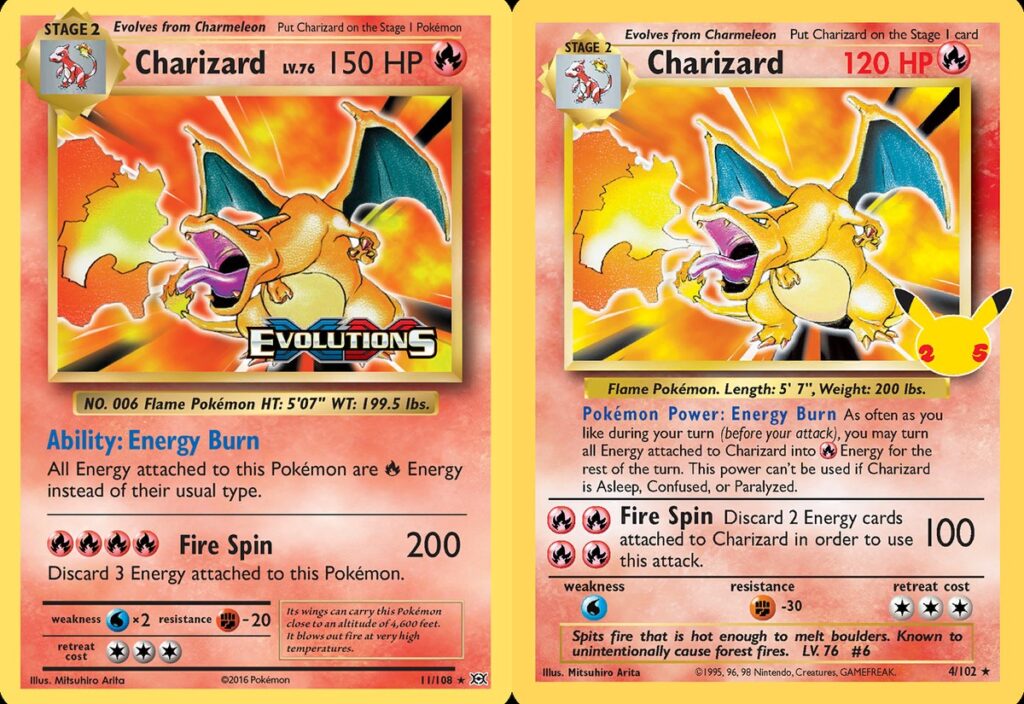
Modern reprints are labeled even more clearly. The Pokémon Company announced its 25th-anniversary Celebrations collection in June 2021, with a special subset of 25 “close remakes” of iconic cards that included Base Set Charizard. Products launched October 8, 2021. The Celebrations: Classic Collection Charizard in the official card database keeps the 4/102 number and Arita credit, adds the 25th anniversary logo, and per Bulbapedia drops the Wizards of the Coast copyright line. Earlier, the 2016 Evolutions Charizard brought back the Base Set look with updated card text. It’s a tribute, not a reprint.
Tribute versus reprint: Evolutions (2016, left) redesigned the card text; Celebrations: Classic Collection (2021, right) reprinted the Base Set card with a 25th anniversary logo. Image source: Pokémon TCG API card scans.
The latest wave is underway now. The Pokémon Company’s 30th Celebration preview names Charizard from Base Set among the classic cards being reprinted, and notes that these reprints are not legal in the Standard format. The 30th Celebration expansion launched worldwide on September 16, 2026. Bulbapedia also lists a holo reprint in the Charizard & Ho-Oh ex deck of Pokémon Trading Card Game Classic.
The liquidity lesson: reprints add buyers who want to own the art, but they add no 1999 copies. Every anniversary reprint creates a new, separate market at a lower entry price, and it brings attention back to the original. Speculators sometimes read that attention as permanent demand for the vintage card. It’s safer to treat the reprint and the original as separate assets, and to expect hype around the original to rise and fade with each anniversary cycle. We used the same approach for sealed product in Pokémon sealed liquidity under reprints.
Raw vs graded: where liquidity actually lives
A raw Base Set Charizard and a slabbed one attract different buyers. Graded copies trade on a label that buyers already trust, so they’re easier to compare against other sales and to sell remotely. Raw copies trade on photos and trust. That suits local deals and buyers who plan to grade the card themselves, but it creates disputes about condition, centering, and whether the print was identified correctly. The more expensive the copy, the more buyers prefer the certainty of a slab.
If you hold raw copies while you decide, protect the card’s condition. A penny sleeve and a rigid holder are the minimum. Plain top loaders (affiliate link) cost little next to the value a single dinged corner can wipe out.
Base Set Charizard checklist before you buy or sell
Identify the print. Check for the stamp, the art-box shadow, and the copyright line. Then check whether it’s from Base Set at all: Base Set 2, Legendary Collection, and the anniversary reprints each have their own markings.
Price the grade, not the name. Compare completed sales of the same print at the same grade from the same grading company. Asking prices and sales from other tiers are not comparable.
Read the population page yourself. Use PSA’s CardFacts pages (or the equivalent from the grader you use) and note how many copies exist at your grade and above.
Expect thin tiers to clear unevenly. At the top grades, a single auction result is one data point, not a market price.
Keep reprints and originals separate. Anniversary products bring buyers back to the art. They don’t expand the 1999 supply.
Model your exit. Fees, shipping, insurance, and the venue all reduce what you actually take home. Know which platform fits a raw copy and which fits a slab before you buy.
Bottom line
Base Set Charizard earns its Iconic Cards spot because it shows how liquidity really works in the hobby. Fame brings buyers, but price depends on the print, the grade, and the market you’re actually in. PSA’s own pages show how thin the top grades are, and official reprints from 2000 through the 30th Celebration show how nostalgia demand can grow without adding vintage supply. Know which Charizard you’re holding, and price that card.
The October TCG drops calendar has one date worth circling twice: October 23, when Disney Lorcana’s Hyperia City and Riftbound’s Radiance both reach general release. Both run their local game store weekends starting October 16, too. That overlap is the story this week. Not hype, not price targets, just calendar discipline: which LGS weekends to book, which sealed products can wait, and how to stop two launches from draining one budget.
Every date below comes from the publisher’s own pages and is subject to change. For the full running list, start at our Upcoming Drops hub. If you missed last week’s board, the TCG Drop Radar for the week of September 28 covers the Reality Fracture prerelease window.
Fresh street: Reality Fracture and the 30th Celebration (shipped October 2)
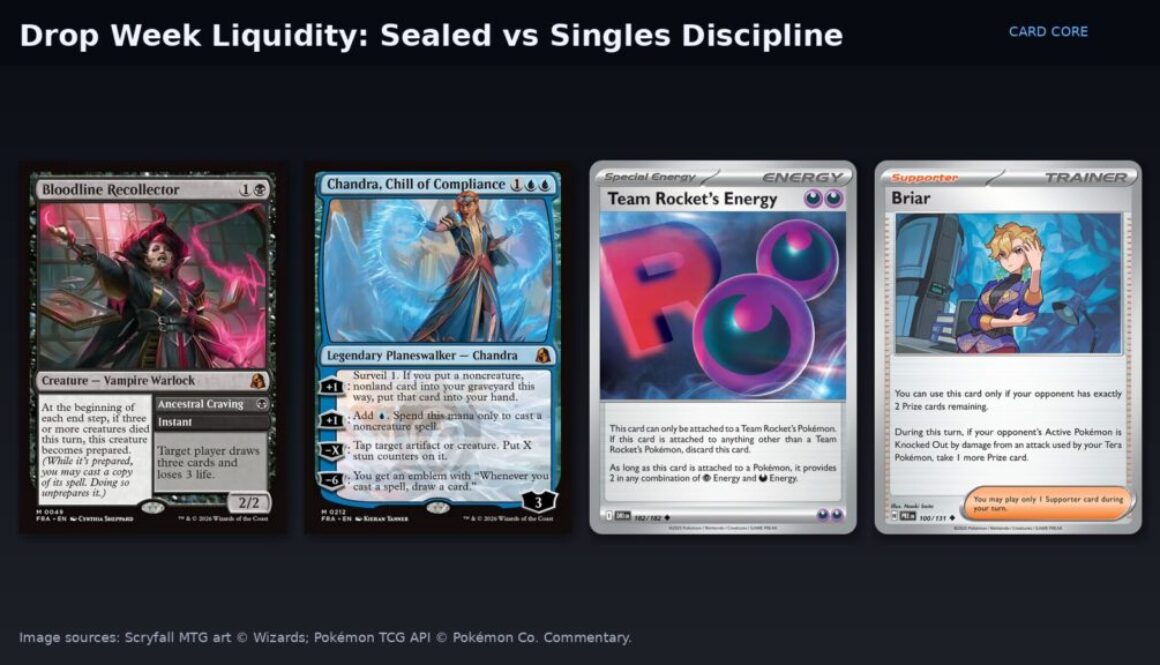
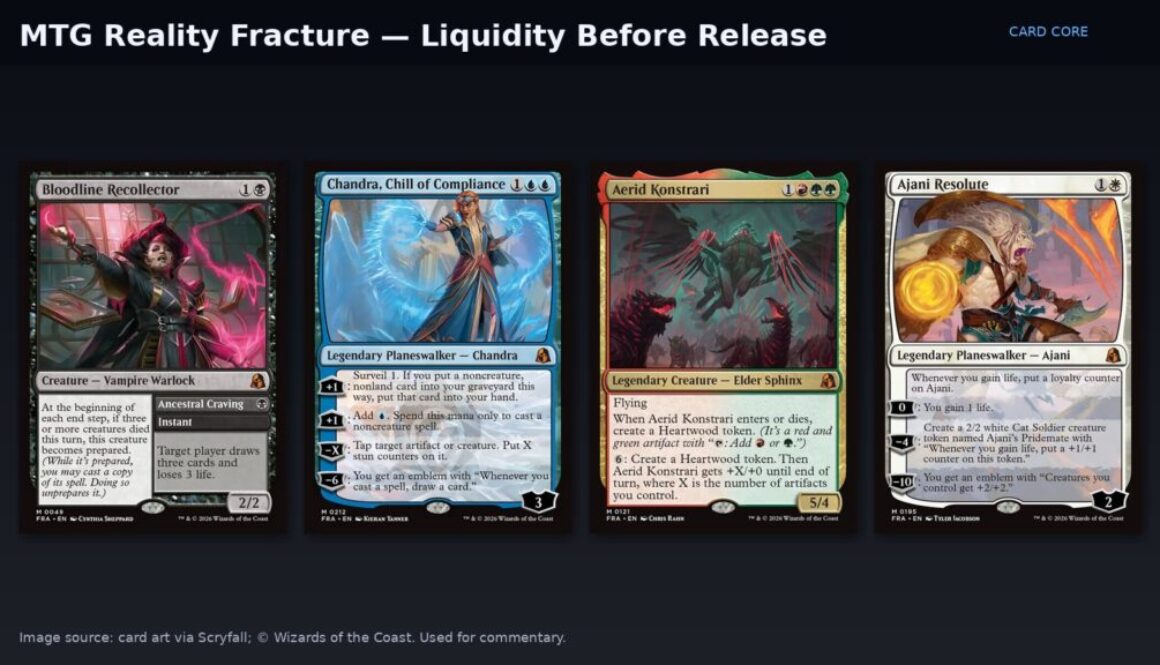
Magic: The Gathering — Reality Fracture hit tabletop on October 2 after its prerelease window closed October 1 (Arena went live September 29). Wizards’ Collecting Reality Fracture article is the reference for what is in each booster type, and the Reality Fracture product page lists the SKUs. The one scarcity number Wizards published for the headline chase is 500 serialized Bloodline Recollector cards, found only in Collector Boosters. We cover what that number does and does not mean for liquidity in Reality Fracture Chase: Scarcity Lessons from Black Lotus.
What to watch during the first full week of any street release:
Sold listings, not asking prices. Day-one asks are guesses. Completed sales across several days tell you where real liquidity is.
Restock signals. Anniversary products like the 30th Celebration often see more than one retail wave. Paying a premium in week one buys convenience, not scarcity.
Single vs. sealed spread. If you want one card, buying the single usually costs less than chasing it in packs. That holds especially for serialized or ultra-low-rate chases.
Mid-October LGS weekends: October 16–22
This is the window to plan now, because prerelease seats and kits are allocated by store.
Disney Lorcana — Hyperia City prerelease, October 16. Ravensburger’s Hyperia City press release confirms prereleases on October 16 in game stores and select Disney Parks and stores. The set brings Coco’s debut, a new ink drops mechanic, Enchanted cards, and two Iconic cards (the game’s rarest): Mickey Mouse – Best in Town and Cinderella – Unintentional Icon. Product details are on the Hyperia City product page.
Riftbound — Radiance Pre-Rifts, October 16–22. Riot’s Radiance Overview lists Pre-Rift events October 16–22, with a Heimerdinger, Academy Instructor promo for participants while supplies last. Pre-Rift Kits contain five Radiance boosters plus a seeded pack for one of the set’s nine new Legends. Riot says the overview gets updates on October 5 and October 16, so check back before you lock in a deck plan. Our Riftbound Radiance preview-season liquidity checklist covers how to read spoiler season without overpaying.
On collectibility: Riot states that, on average across the entire Radiance print run, an Ultimate Rare appears in approximately 0.025% of booster packs. It also says no pack, box, or case guarantees one. Treat that as an average, not a box-level promise and not a print run.
Dual street: October 23
Both sets go everywhere on the same Friday. Hyperia City becomes available at all retailers, and Radiance releases in English, French, and Chinese. Same-day launches matter for three practical reasons:
LGS cash flow splits. Stores carrying both games are ordering, pricing, and staffing two launches at once. Your preorder may matter more than usual.
Social feeds get loud. Two sets of opening videos at once pull attention toward pack chases. That noise is not a signal of long-term demand.
Secondary markets thin out per product. With buyers split between two games, early sold data on each will be shallower. Wait longer before reading a trend.
Next Pokémon wave: Delta Reign and Battle Decks
Right after the dual street, Pokémon’s calendar picks back up:
If you play or collect Pokémon alongside Lorcana or Riftbound, note that the Delta Reign prerelease starts the day after the dual street. The October 23–25 weekend stacks two general releases and a third game’s prerelease, right after the October 16 weekend of Lorcana and Riftbound events.
How to allocate attention and budget this month
Book the prerelease you will actually play. Hyperia City (Oct 16) and Radiance Pre-Rifts (Oct 16–22) overlap, and Delta Reign prereleases start Oct 24. Pick one primary game instead of trying to cover all three.
Set a fixed October number before preorders close, then split it by game. Don’t let the October 23 overlap double your spend.
Wait on sealed you don’t need on day one. Booster displays and bundles for in-print sets rarely get scarcer during their first weeks.
Buy singles for specific targets once a week or two of sold data exists, especially for Iconic, Enchanted, Ultimate Rare, or serialized chases.
Ignore invented numbers. If a print run or “guaranteed” price is not on Ravensburger, Riot, Wizards, or The Pokémon Company pages, leave it out of your math.
Re-check publisher pages the Monday before each date. Regional schedules can shift. Wizards posted delay notices for some regions around Reality Fracture.
Bottom line
The October TCG drops that matter for planning are already locked: Reality Fracture and the 30th Celebration products are in stores, Hyperia City and Radiance share LGS weekends starting October 16 and a dual street on October 23, and Pokémon’s Delta Reign prerelease follows on October 24. Calendar first, cart second. We keep these dates updated in our living ledger, and you can find the next radar on the Upcoming Drops hub.
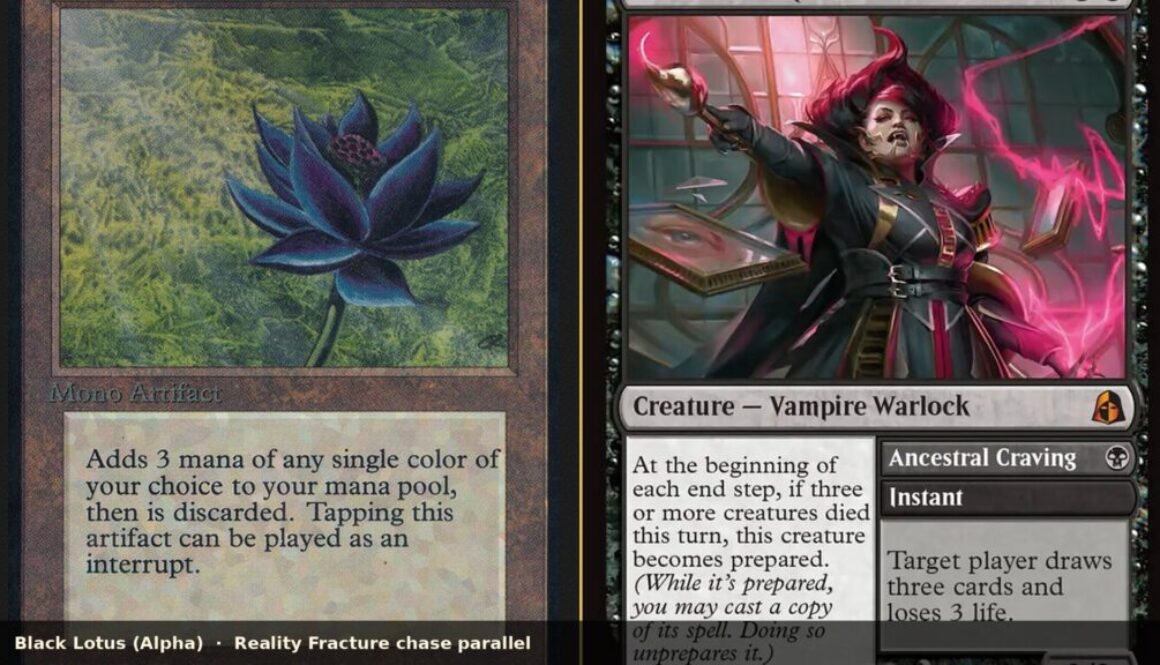
Magic’s Reality Fracture chase is already the loudest story of the week: prerelease wraps around October 1, 2026, and tabletop street date is October 2. The headliner everyone screenshots is the serialized double-rainbow-foil Bloodline Recollector. Before you treat that chase like a guaranteed trophy, pair it with Magic’s oldest scarcity lesson—Black Lotus print culture—and ask what is actually known about supply versus what is only marketed.
What Wizards actually published for the Reality Fracture chase
Wizards’ Collecting Reality Fracture article is the primary source. The set’s headliner is a serialized, double rainbow foil, throwback full-art Bloodline Recollector illustrated by Mark Poole (also the artist on Ancestral Recall). Key published facts:
There are 500 serialized copies.
They appear only in Reality Fracture Collector Boosters.
They can show up in Collector Boosters of any language, but the card is always English.
Wizards states a serialized copy appears in less than 1% of Collector Boosters.
The non-serialized Bloodline Recollector is mechanically identical.
Collector Booster MSRP is listed at $26.99 on the same collecting guide and buyer’s materials. That MSRP is a list price for sealed product—not a forecast for singles or serialized clears.
Other Booster Fun treatments (shattered mirrors, Japan Showcase, Special Guests panorama, and so on) matter for sealed EV conversations, but they are not the same scarcity claim as a published 500-copy serialized headliner. When a print figure is not officially stated, omit it. Facet-foil shattered mirrors do carry approximate production language from Wizards in the same article; treat those as separate products with their own pull math, not as substitutes for the serialized chase.
Lottery math is not a buy thesis
A Reality Fracture chase with a published ceiling of 500 copies across worldwide Collector product is, by design, lottery-shaped. Most Collector Boosters will not contain it. Most sealed buyers will not open it. That is not a moral judgment; it is how serialized chase design works.
Liquidity questions for collectors buying sealed or singles around Reality Fracture:
Are you paying for playable cardboard, for a specific Booster Fun treatment, or for a lottery ticket toward the serialized headliner?
If the serialized card is the only “reason,” what is your exit plan if you open everything else?
Completed sales for the exact printing and treatment beat ask screenshots—especially in the first weeks after street, when asks and social posts outrun clears.
We are not inventing comps, “EV,” or projected secondary prices here. Those move hourly and belong on completed-sale evidence for the exact SKU.
Historic parallel: Black Lotus scarcity myths vs verified supply
Black Lotus is Magic’s default scarcity metaphor. Older collector articles often repeated rough estimates on the order of about 1,100 Alpha copies and about 3,200–3,300 Beta copies. Those figures circulated for years as folk knowledge.
Better production anchors arrived in 2021, when former Wizards CEO Peter Adkison shared Carta Mundi purchase-order totals for Alpha and Beta that hobby researchers then applied to known pack collation and 121-card rare sheets. Reputable reconstructions of that math put each Alpha rare—including Black Lotus—around 1,008 copies produced, and each Beta rare around 3,025 copies produced. Detailed walkthroughs live at MTG Information’s print-run calculations and MTG Print Run’s methodology.
Important caveats—say them out loud:
Those numbers are production estimates from product totals and sheet math, not a census of surviving Near Mint or graded copies.
Losses, damage, counterfeits, and ungraded binders mean liquid supply is a different (and harder) problem than “cards printed.”
Unlimited and later non-tournament printings are separate supply stories; do not collapse every Black Lotus into one scarcity number.
The lesson for a modern Reality Fracture chase is not “Lotus was fake scarce.” It is that scarcity narratives travel faster than verified supply data, and collectors who price the myth instead of the production math get surprised when deeper evidence lands.
For a related Reserved List liquidity classroom—play demand stacked on frozen supply—see our MTG dual lands liquidity lesson.
What translates from 1993 print culture to a 2026 serialized chase
Question
Black Lotus (early printings)
Reality Fracture serialized headliner
Published official print run at launch?
No modern-style “500 copies” marketing at the time; production clarity came decades later via printer/Wizards testimony
500 printed still ≠ 500 sitting in liquid listings at once
Collector failure mode
Treating folk estimates as census truth
Treating “one of 500” as if every sealed purchase is close to the pull
Serialized modern chase cards and early Power Nine cardboard are not the same asset class. One is a known-run specialty treatment inside a living Standard-era set. The other is foundational Reserved List history with decades of condition attrition. The parallel that does hold is behavioral: collectors overpay when they confuse marketing scarcity with exit liquidity.
Liquidity takeaways for Reality Fracture sealed and singles
Separate products in your head. Play Boosters, Collector Boosters, Bundles, and Secret Lair Bundles are different SKUs with different chase densities. The serialized Bloodline Recollector is Collector-only per Wizards.
Cite or omit. Use the official 500 figure for the serialized headliner. Do not invent pull rates beyond Wizards’ “less than 1% of Collector Boosters,” and do not invent secondary prices.
Mechanically identical exists. If you want the card for play or for a non-serialized collectible look, the regular Bloodline Recollector is a different market than the serialized foil.
Condition and venue still dominate exits. Even with a hard print cap, grade, centering, authenticity, fees, and buyer pool decide how fast a chase card clears—same pattern we track in card grading consolidation.
Week-one noise is not structure. Prerelease hype and day-one asks are not completed-sale history. Wait for clears when the dollar risk is real.
Lotus lesson applied: Prefer verified supply statements over folklore. When Wizards publishes a number, use it. When the hobby only has estimates, label them as estimates—or skip the number.
Bottom line
The Reality Fracture chase is real scarcity by design: Wizards published a 500-copy serialized Bloodline Recollector headliner inside Collector Boosters, with street date October 2, 2026. Black Lotus still teaches the complementary lesson—scarcity stories outrun supply evidence until someone does the production math. Buy sealed or singles for the product you actually want (play, non-serialized collects, or an explicit lottery), not for a screenshot of “one of 500” that assumes liquidity you have not verified.
Image sources: Black Lotus (Alpha) and Bloodline Recollector card scans via Scryfall; set facts from Collecting Reality Fracture on magic.wizards.com.
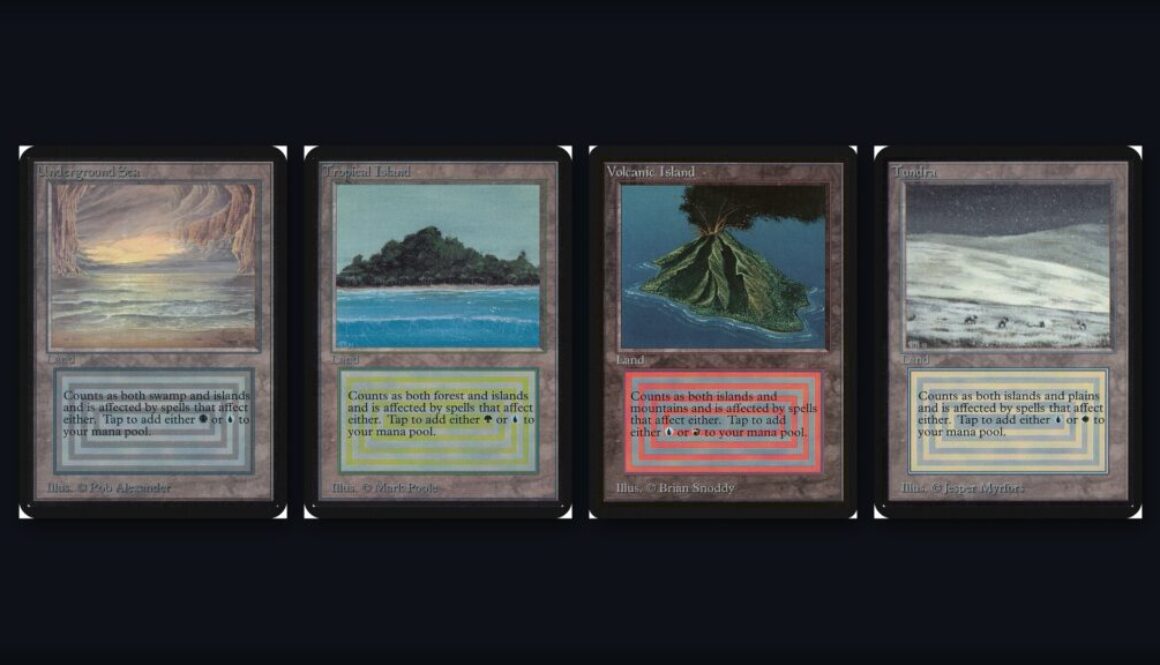
Original MTG dual lands still sit at the intersection of play demand and collectible scarcity. The ten Alpha/Beta/Unlimited/Revised duals (Underground Sea, Volcanic Island, Tropical Island, Tundra, and the rest of the cycle) remain format staples in Legacy, Vintage, and Commander while also trading as high-visibility collectibles. That stack is exactly why they belong in Card Core’s Iconic Cards lane: not as nostalgia props, but as a live case study in liquidity, condition sensitivity, and bubble risk.
Most modern dual-color lands ask you to pay something: life, tempo, or a condition. The original duals do not. Each taps for either of two colors, enters untapped, and carries two basic land types, so fetch lands can find them. That combination still defines competitive mana bases in eternal formats where the cards are legal.
For collectors, the other half of the story is supply policy. Wizards of the Coast’s Official Reprint Policy places these duals on the Reserved List, meaning they will not be printed again in a functionally identical form. Play demand does not have a fresh booster valve. That freezes paper supply at whatever survived from the early 1990s printings, while player and collector interest keeps churning.
If you only remember duals as “expensive old lands,” you miss the useful lesson: they are simultaneously tools and trophies. Pricing pressure behaves differently when both engines run at once.
Print context: Alpha, Beta, Unlimited, Revised (and what came later)
Be precise about editions. The ten duals appeared across Limited Edition Alpha, Limited Edition Beta, Unlimited, and Revised (3rd Edition). Collectors often shorthand that as ABUR. Volcanic Island is the famous exception: it was not in Alpha (art timing), and debuted in Beta. Hobby guides covering Alpha versus Beta versus Unlimited walk through corner shape, border, and palette tells that separate those printings.
Revised is not a “modern” reprint cycle. It is an early core set that did print the duals, usually with a white border and a larger surviving population than Alpha/Beta. Later land cycles (shock lands, fetch lands, pain lands, check lands, and so on) are functional substitutes with drawbacks or different constraints. They cool play pressure for some decks without reprinting the Reserved List duals themselves. Do not conflate “I can play shocks and fetches” with “the original duals got a new print run.”
Early Magic cardboard is unforgiving. Centering, corner wear, edge whitening, and surface scratches move duals across wide value bands even within the same named edition. Alpha’s rounded corners are a known identifier, while later printings use square corners. White-border Unlimited and Revised copies are easier to find than black-border Alpha/Beta, but clean Near Mint examples still separate sharply from played binders.
High-end graded copies are thin by design: population reports and auction visibility make gem grades scarce relative to mid grades. Mid-grade raw or mid-slab copies often have deeper transactional liquidity because more buyers can clear the check without needing a trophy outcome. That is the same liquidity pattern we track across grading decisions in Grading in 2026 and PSA Standard tier backlog math.
Counterfeit risk is also material on duals. For higher dollar purchases, trusted sellers, strong return policies, and professional grading are risk tools, not status symbols.
Liquidity: completed sales beat ask prices
Treat duals like other iconic cardboard. Ask prices on marketplaces are invitations, not comps. Completed sales (auction results, verified private sales you can document, recent clear transactions) are the structure that matters. Auction visibility can look “hot” while private deals clear differently after fees, shipping, and authentication friction.
Fees matter. Platform take rates, payment processing, grading costs, and time-to-cash change whether a dual is liquid for you. A card that “has a market” can still be a slow exit if your copy sits in a thin grade band or an edition buyers treat as second-tier.
Also separate play copies from collectible copies. A Revised dual bought to finish a Legacy mana base has a different buyer pool than an Alpha Underground Sea chased as a display piece. Same oracle text. Different exit paths. Our broader collector liquidity framework is built for that distinction.
Bubble risk when play demand and collector demand stack
Duals are a clean bubble-risk classroom. Speculation heats up when:
Eternal formats keep the cards heavily played, so “need” demand stays real.
Collector narratives amplify Reserved List scarcity.
Ask boards and social posts outrun completed-sale evidence.
Buyers treat every dual as interchangeable prestige instead of edition-, condition-, and color-pair-specific inventory.
Cooling does not require Wizards to break the Reserved List. Format shifts, weaker tournament share for a color pair, wider adoption of functional substitutes in casual and Commander tables, or a general risk-off mood in the hobby can slow dual velocity. When play demand and collector FOMO stop reinforcing each other, mid-grade and lower-visibility copies usually feel it first.
That is the anti-hype point. Scarcity policy is not a guarantee of forever-rising liquidity. It is a supply ceiling. Demand still has to show up with cash and completed sales. For the wider hobby frame, see Card Core’s 2026 trading card bubble risk report.
Honest caveats
We are not publishing invented print runs or sale prices here. Edition tiers and relative scarcity are well documented by Wizards policy pages and reputable hobby press; dollar comps move constantly and should be verified against recent completed sales for the exact printing and condition.
Aggregator “market” numbers often sit above what cards actually clear for.
Proxies and non-tournament printings (where applicable) are a different product conversation than tournament-legal ABUR duals.
Reserved List policy can be discussed and debated in the community; collectors should price the world as it exists, not the rumor of a policy change.
What to look for: a practical checklist
Print / edition: Confirm Alpha, Beta, Unlimited, or Revised (plus language/border variants if relevant). Volcanic Island has no Alpha copy.
Condition and population: Grade honestly. Check centering and edges before you pay a high-end premium. Mid grades often have more buyers.
Market depth: Prefer completed sales over asks. Note how many similar copies actually moved recently.
Venue and fees: Auction, dealer, private sale, and platform fees change net proceeds. Model exit cost before entry.
Authenticity: Duals are heavily counterfeited. Trust chain of custody; use grading when the dollar risk justifies it.
Use case: Playing Legacy/Commander versus holding as a collectible changes which edition and condition make sense.
Not vibes: Skip nostalgia narratives that skip edition, condition, and sale evidence.
Closing: Iconic Cards, not museum labels
Original MTG dual lands earn Iconic Cards coverage because they still clear a collector test in 2026: identifiable supply rules, ongoing play demand, condition-sensitive pricing, and enough market activity to study liquidity without inventing folklore. They are not immune to cooling. They are simply one of the clearest places to watch play demand and collectible demand either reinforce each other or pull apart.
Card Core will keep using this lane for landmark cards that teach structure. Duals belong beside other liquidity anchors, not above evidence.
Some iconic trading cards stop being just chase pieces. They become permanent reference points — the cards dealers quote against, the names forums use as shorthand, and the benchmarks collectors check before they trust a quieter sale. That status is about liquidity and market structure, not nostalgia alone.
This first Iconic Cards piece looks at why a few landmarks keep that role: Black Lotus in Magic, the 1989 Upper Deck Ken Griffey Jr. in baseball, and Base Set Charizard in Pokémon. The goal is practical: what made them anchors, where the caveats sit, and what to look for instead of vibes. For how we apply the same completed-sale lens to new product weeks, see our TCG Drop Radar for September 28, 2026.
What “iconic” means in market terms
In hobby talk, iconic often means “everyone knows it.” In trading terms it means something narrower: deep enough recognition that buyers and sellers can clear deals without reinventing the story every time, plus enough observed sales that a grade-and-edition pair can be compared honestly. Recognition without depth is hype. Depth without recognition is a quiet niche. Anchors have both — with different ratios by hobby.
Card Core’s framing stays anti-hype. We care about print context, condition, and how often comparable copies actually change hands. Ask prices and Discord screenshots are noise. Completed sales and net outcomes after fees are the scoreboard. Browse related hubs under Collector Guides, Market News, Card Games, and Sports Cards.
Case study: Black Lotus (Magic)
Black Lotus sits at the top of Magic’s collector hierarchy for structural reasons, not just lore. It is one of the Power Nine — printed only in the earliest Alpha, Beta, and Unlimited runs — and it remains restricted or banned in most competitive formats. Christopher Rush’s original art is inseparable from the card’s identity. Early print scarcity is real: collector and grading coverage has long cited a very small Alpha population (on the order of about 1,100 Lotus copies for that first print run, per reporting such as CGC’s Black Lotus overview). Later Unlimited copies expand the pool but do not erase Alpha/Beta premiums.
Liquidity lesson: Black Lotus is a thin high-end anchor. Elite graded Alphas trade infrequently. Public auctions create visible comps; private sales create headlines that may or may not reflect what a typical buyer can clear next month. When a grail’s buyer pool shrinks to a handful of names, “the market” is really a sequence of negotiated outcomes. Treat outlier private figures as anecdotes until you can map them to condition, edition, and venue. Use Lotus as a reference for how Magic values early Power Nine scarcity — not as a price oracle for every vintage rare.
Honest caveat: Reprint culture, anniversary products, and Power Nine adjacent chase can shift attention without rewriting Alpha scarcity. The anchor role survives because the early printings remain the cultural and competitive origin story, not because every Lotus listing is equally liquid.
Case study: 1989 Upper Deck Ken Griffey Jr.
Griffey’s Upper Deck #1 is the modern baseball-card shorthand for “rookie that defined an era.” Upper Deck’s 1989 debut raised production quality (foil packs, holograms, no gum), and card #1 put a then-prospect on the first slot of a premium checklist. Beckett, ESPN, and Sports Illustrated have all treated the card as a lasting hobby landmark — “the last iconic baseball card” in SI’s anniversary framing — for reasons that go beyond any single sale week.
Liquidity lesson: Griffey is a deep anchor relative to Lotus. Grading populations for this card are enormous by vintage-TCG standards; PSA and other services have slabbed it in volumes large enough that mid and high grades have real secondary depth. That depth is the point. When many comparable slabs exist, completed sales can diverge from ask prices in the same week — a pattern SI and other market writers have documented when gem copies clear at very different levels. Liquidity here means you can usually find a buyer; it does not mean every list price is honest.
Honest caveat: Junk-wax-era print volume means raw and lower grades behave differently from gem slabs. Population reports matter. A “Griffey UD” without grade, centering, and surface notes is not one SKU — it is a ladder. Use the card as a reference for modern sports-card liquidity structure, then price the specific slab you hold.
Parallel: Base Set Charizard (Pokémon)
Base Set Charizard (especially 1st Edition and early shadowless/unlimited distinctions collectors track carefully) plays a similar reference role in Pokémon. It is the character and the print that mainstream coverage still uses when explaining why vintage Pokémon holds cultural weight. Market writers routinely describe it as a flagship for the Wizards-of-the-Coast era — the card through which a large share of vintage dollar volume routes — while noting that top grades thin out and mid grades trade more often.
Liquidity lesson: Charizard is a tiered anchor. Lower and mid grades can show steadier turnover; absolute top grades behave more like art-market pieces — longer time-to-sale, heavier fee impact at auction, and a smaller buyer pool. Reprints and modern Charizard chase can absorb hobby attention without replacing the Base Set flagship’s reference status. Edition and grade still do most of the explanatory work.
Honest caveat: We are not publishing dollar comps here. Charizard’s ladders move, and private or auction outliers are easy to misuse. Treat it as a structure lesson: cultural ubiquity plus graded scarcity at the top creates a permanent name on price guides — with liquidity that changes sharply by tier.
What collectors should actually look for
Strip the nostalgia and the checklist is short:
Print context — Set, edition, and known production story (Alpha vs Unlimited; Upper Deck #1 vs other 1989 Griffeys; 1st Edition vs later Base Set). Without that, “iconic” is branding.
Condition and population — Grade, subgrades if relevant, and how many comparable slabs exist. Deep pops support clearer comps; tiny pops support negotiation, not spreadsheet certainty.
Market depth — How often true completed sales appear at your tier. Thin markets need patience and fee-aware net math. Deep markets need skepticism toward ask outliers.
Venue and fees — Auction hammer, private deal, and marketplace sold price are not the same net outcome.
Not vibes — Hype cycles, influencer screenshots, and “feels like a steal” language do not clear inventory.
If you are watching new sealed and singles flow while you study landmarks, keep the same rules on our Upcoming Drops calendar and weekly Drop Radar: cite the source, wait for completed sales, skip invented comps.
Closing
A few iconic trading cards become permanent reference points because recognition, scarcity structure, and enough observed trading let the hobby reuse them as yardsticks. Black Lotus shows thin, high-end TCG liquidity. Griffey Upper Deck shows deep modern sports-card liquidity with grade ladders. Base Set Charizard shows a tiered Pokémon flagship where culture and condition interact. None of that requires inventing print runs or sale prices — only reading structure carefully.
Card Core will keep Iconic Cards focused on liquidity and net outcomes. The landmarks stay useful when you treat them as market morphology, not mood boards.
Welcome to Card Core’s first TCG Drop Radar — a weekly pass over confirmed street dates, prerelease windows, and follow-up product waves across card games. We track liquidity and completed-sale reality, not FOMO. If a date isn’t on an official calendar or a primary publisher page, it doesn’t make this list.
Buy-vs-wait framing: Street-week premiums often fade once retail allocation hits. Prerelease and “early sales” windows are for play and discovery; sealed and chase singles are usually priced more honestly after open supply clears. For the full calendar of what’s next, keep an eye on our Upcoming Drops hub.
Product: 30th Celebration Booster Bundle (6 packs) and Mini Tins (2 packs + sticker sheet + art card; 10 tin designs)
What we know: The special expansion launched worldwide September 16. These are the next confirmed US product wave on Pokémon.com’s product showcase. A separate in-store/$15+ spend Mewtwo promo starts the same day at listed retailers (while supplies last).
What to watch: Whether Wave 1 sealed (ETBs, ex boxes) remains tight after this smaller pack SKU hits — track completed sales, not ask prices.
30th Celebration Battle Decks — Espeon ex & Umbreon ex
Date: October 30, 2026
Product: Two all-foil 60-card battle decks (Espeon ex / Umbreon ex) with deck box, coin, and playmat; no booster packs in the product description
What we know: Confirmed on the same Pokémon.com showcase as the October 2 wave.
What to watch: Constructed-play demand vs. collector demand for all-foil reprints — wait for post-release completed singles before paying street premiums.
Dates: Prerelease September 25–October 1, 2026 (this week); MTG Arena September 29; tabletop release October 2, 2026
Product: Play Boosters, Collector Boosters, Bundle, new Secret Lair Bundle, Multiverse Reforged Commander deck, Foundations Commander decks, Draft Night, Prerelease Packs
What we know: WPN and Magic’s Collecting Reality Fracture feature lock the prerelease window and October 2 worldwide tabletop release. WPN stores can sell set product during prerelease week under early-sales policy. Official MSRPs are published on the collecting article (Play Booster $5.49, Collector Booster $26.99, Bundle $57.99, Secret Lair Bundle $89.99, etc.).
What to watch: Early-sales vs. true street liquidity after October 2; Collector Booster chase (serialized Bloodline Recollector — 500 copies per Wizards) vs. Play Booster open supply. Prefer completed sales over Discord screenshots.
Dates: Prerelease October 16, 2026 (game stores and select Disney Parks/stores); everywhere October 23, 2026
Product: Boosters / displays, Illumineer’s Trove, Prerelease Boxes; set introduces the ink drops mechanic and debuts Coco glimmers
What we know: Confirmed on Ravensburger’s September 22, 2026 press release and the Hyperia City product page. Preorders are open at online retailers per the official announcement.
What to watch: Prerelease-week sealed premiums into the October 23 mass release; Enchanted / Iconic chase depth once spoilers finish — wait for post-release completed sales before locking long-term comps.
Dates: Previews September 25–October 9, 2026 (underway); Pre-Rift events October 16–22; release October 23, 2026 (English, French, Simplified Chinese)
Product: Boosters / displays, Showdown Decks, Vault, Pre-Rift Kits; Riot lists ~180 cards including Showcase treatments and a new Ultimate Rare chase
What we know: Official Radiance Overview and products roadmap publish the Pre-Rift window and October 23 street date. Pre-Rift promo noted: Heimerdinger, Academy Instructor (while supplies last).
What to watch: How simultaneous EN/FR/ZH launch affects regional sealed flow; Ultimate Rare appearance rates are stated as print-run averages on the official overview — treat pack EV claims accordingly.
Oct 2: Reality Fracture tabletop; Pokémon 30th Celebration Booster Bundle & Mini Tins
Oct 16: Lorcana Hyperia City prerelease; Riftbound Radiance Pre-Rift window opens
Oct 23: Lorcana Hyperia City mass release; Riftbound Radiance release
Oct 24: Pokémon Delta Reign prerelease window begins
Oct 30: Pokémon 30th Celebration Battle Decks
Nov 6: Pokémon Mega Evolution—Delta Reign + 30th Celebration premium wave (per Pokémon.com)
Dec 4: Pokémon 30th Celebration Binder Collection (US)
Closing
This week’s radar is heavy on confirmed October calendars: Magic is mid-prerelease into an October 2 street, Pokémon is stacking pack SKUs and a November main set, and Lorcana + Riftbound share an October 23 retail day after October 16 early play. We’ll keep Drop Radar weekly — same rules: cite the calendar, skip invented comps, and let completed sales set the score.
This week’s table is crowded: MTG Reality Fracture prerelease through October 1 (tabletop October 2), Riftbound: Radiance previews into October 9 (wide release October 23), and ongoing Pokémon sealed reprint / shortage dynamics. Capital that chases every sealed box will not also fund every PSA submission or every Showcase chase.
Here is a sealed-vs-singles discipline pass — liquidity-first, citation-first.
When sealed wins the liquidity argument
Near-term play demand — Prerelease/Pre-Rift/draft nights create local exits for Play-style sealed.
Intact product identity — Easier to list one SKU than twenty singles with condition fights.
You will open anyway — Entertainment basis removes the need for secondary “moon” math.
When singles win
Known chase after official quant — e.g., Wizards’ 500 serialized Bloodline Recollectors (see Reality Fracture checklist) or Riot’s <0.025% Ultimate Rare rate (see Radiance checklist) — still wait for completed sales before sizing.
Format staples — Recurring tournament/Commander demand beats sealed box variance.
Reprint-threatened sealed — When publishers state max-capacity printing (Pokémon sealed framework), singles with durable demand can be the cleaner inventory.
Drop-week rules of thumb
Cap sealed exposure at what you can move through one primary exit in 30 days.
Do not grade into a multi-million backlog unless your own comps clear friction (see PSA Standard math).
Do not treat platform vault FMVs as sealed comps (Packed).
Write the thesis and the exit on the same note — or do not buy.
Drop weeks punish FOMO sealed stacks and reward collectors who already know whether they are buying play fuel, chase paper, or speculative cardboard. Pick one per purchase.
Magic: The Gathering — Reality Fracture is in the middle of its launch window: prerelease events run September 25–October 1, 2026, MTG Arena drops September 29, and tabletop street date is October 2 per Wizards’ Collecting Reality Fracture feature.
Card Core’s job this week is not to rank every Booster Fun treatment. It is to map which SKUs create durable liquidity versus which are preview-season theater — using only numbers Wizards published.
Official MSRPs (Wizards)
Play Booster: $5.49
Collector Booster: $26.99
Multiverse Reforged Commander Deck: $49.99
Foundations Commander Deck: $29.99
Bundle: $57.99
Secret Lair Bundle: $89.99
Draft Night: $89.99
Those are manufacturer list prices, not secondary comps. Do not treat MSRP as a floor or a ceiling on the open market.
Chase layers Wizards actually quantified
Serialized Bloodline Recollector (double rainbow foil, throwback full-art): 500 serialized copies, Collector Boosters only, always English even in other-language boxes (Wizards).
Facet foil shattered mirror cards: Wizards cites approximately 6,000 copies per rare facet foil and approximately 3,000 per mythic rare facet foil (Collector Boosters; English card text).
Echoed pairs, braintwister, sculptor’s stronghold, Japan Showcase, Special Guests panorama, Secret Lair Bundle promos — all documented in the collecting article with pack-slot notes. Use that article; do not invent odds beyond it.
Liquidity checklist for prerelease week
Play Boosters first if you draft/sealed. Event demand creates the cleanest near-term exit for sealed Play product and commons/uncommons players need.
Collector Boosters are a variance product. Serialized and facet-foil EV is not a retail guarantee. Size CB exposure to what you can hold through post-release dump weeks.
Secret Lair Bundle is a hybrid SKU. Two CBs + six Plays + exclusive promos at $89.99 MSRP — compare the promo set’s actual completed sales after release before stacking inventory.
Commander decks are format liquidity, not chase liquidity. Multiverse Reforged vs Foundations serve different buyers; do not conflate them in one “Commander is hot” bucket.
Capital collision. Radiance Pre-Rift/preview spend and Pokémon sealed restocks compete for the same wallet. Rank exits before you rank FOMO.
Reality Fracture’s collectible map is unusually well documented by Wizards — including the 500 serialized Bloodline Recollectors and approximate facet-foil counts. Use those official figures; refuse invented secondary prices until completed sales exist after October 2.